By 2030, agricultural automation could cut farm labour needs by up to 40% in Australia. This big change shows how fast modern agriculture methods are changing how we grow food and manage land.
The farming scene in Australia is changing fast. We’re moving from old ways to new, smart systems. These new systems use advanced tech, AI, and robots to solve big farming problems.
Australian farmers are looking at these new tech options for good reasons. They face labour shortages, need to use resources better, and want to grow food in a green way. Whether you have a small farm or a big one, knowing about these tech changes is key to your success.
This article looks at old farming ways versus new robotic farming. You’ll see the good points of each method for your farm size, what you grow, your budget, and your goals. Both old and new farming methods have a place in Australia’s farming future. Your choice depends on your farm’s needs.
Key Takeaways
- Agricultural automation could reduce farm labour needs by 40% in Australia by 2030
- Both manual and automated farming methods offer distinct advantages depending on your operation
- Labour shortages and resource efficiency are primary drivers for adopting new technologies
- Farm size, crop type, and budget significantly influence which approach suits your needs
- Precision technology and robotics are transforming sustainable food production practices
- Understanding both approaches helps you make informed decisions for your farming future
What Is the Difference Between Traditional and Robotic Farming?
Australian farms today show a big difference. Some use manual labour, while others use automation. This change is more than just new tools. It changes how farms work and make decisions.
This change is not just about new tech. It’s about changing how farms work. Knowing this helps you choose the right path for your farm.
Traditional Methods and Manual Operations
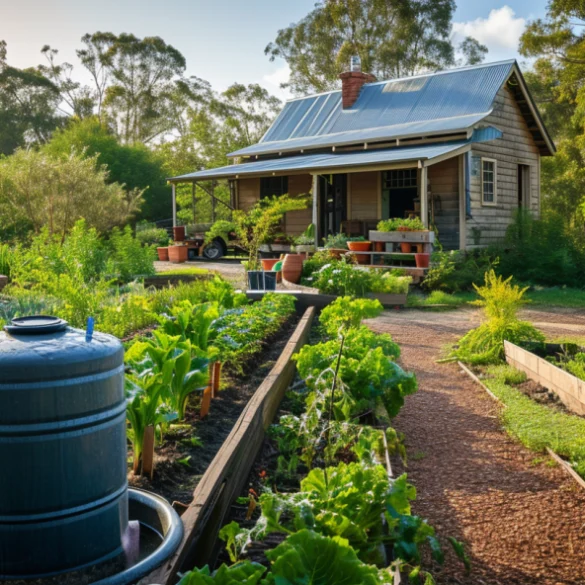
Traditional farming is the heart of Australian agriculture. It’s based on years of experience and knowledge. You make decisions based on what you see and feel.
You decide when to plant and harvest by checking the weather and soil. You also decide when to water based on how wet the soil is.
Manual labour is key in traditional farming. You or your team check plants and make changes as needed. This way, you can adapt quickly to any situation.
Automated Systems and Robotic Integration
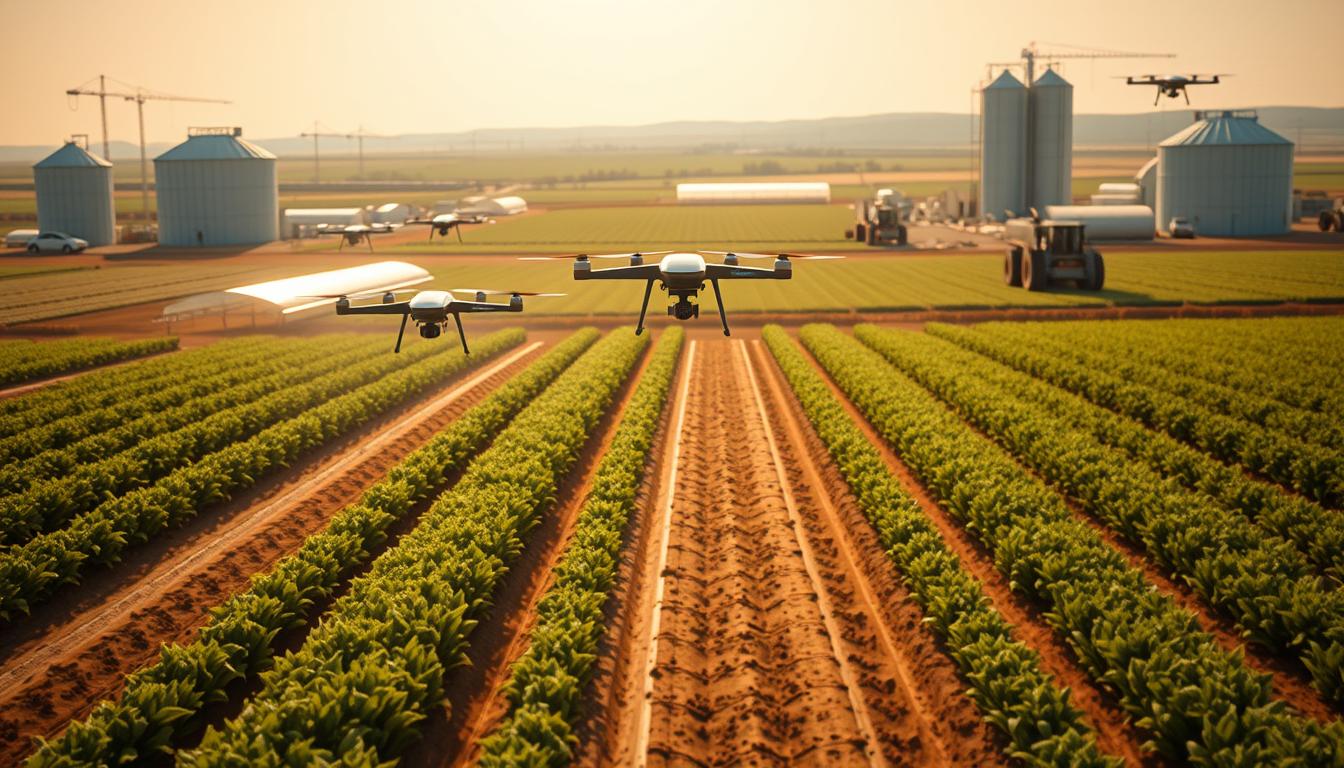
Robotic farming uses australian farm technology to do tasks with little human help. It includes self-driving tractors, robots that pick crops, and drones that check on plants.
Robotic farming uses sensors to collect data on soil and plants. This data helps machines make decisions. For example, they water when needed and apply fertiliser correctly.
Precision farming techniques make robots work better than people. Robots weed, plant seeds, and work all day without getting tired.
These systems use artificial intelligence to get better over time. Your job changes to overseeing the system and planning.
The Progression Toward Automation
The move to automation in Australia has taken time. Farms started with simple machines and then got more advanced. Early changes included using tractors and combine harvesters.
In the 1990s and 2000s, computers became part of farming. They helped with straighter rows and better fertiliser use. This was the start of precision farming.
Now, we have robots doing tasks that needed people before. Sensor networks give real-time data. Machine learning finds patterns in crops that humans might miss.
This progress will keep going. AI will get smarter, and robots will do more. Soon, technology will handle routine tasks, and you can focus on big decisions.
Combining Traditional Wisdom With Modern Tools
You don’t have to choose between old and new farming ways. Many farms mix both for the best results. This way, you keep control over some tasks and use machines for others.
In a mix, you might use machines to water but check crops yourself. Drones can watch fields, but you decide what to do next. Robots can pick crops, but people sort them.
Many Australian farms find this mix works well. It keeps the wisdom of old ways while using new tech for efficiency. This is what Sustainable Home Magazine suggests.
This mix is good for farms that are moving to more machines. You can add new tech bit by bit. This helps you learn and see if it’s worth it without giving up old ways.
Sustainable farming often uses this mix too. Old ways guide what you plant, and new tech helps with how you do it. You use your knowledge to plan, and machines do the rest.
This mix is smart because it uses human insight for some things and machines for others. You decide based on what works best for your farm.
How Robotic Farming Works Compared to Traditional Methods
Robotic farming and traditional farming are very different. Robotic systems use advanced sensors and AI to check plant health and apply pesticides. This reduces waste and protects the environment.
Traditional farming relies on your eyes and experience. You make decisions based on what you see and know.
Robotic farming changes how you work with your land and crops. It creates a new way of farming that’s different from old methods.
Automation in Planting and Harvesting
Robotic farming plants seeds with precision. It uses GPS to place seeds exactly right. This ensures the best growth.
Traditional farming plants seeds by hand or with old machines. This method is less precise but flexible.
Robotic harvesting picks ripe produce carefully. It can tell when crops are ready to harvest. This is hard for humans to do on a large scale.

In traditional farming, skilled workers pick crops. They know when crops are ready from years of experience. This method is slower but keeps quality high.
Data-Driven Farming vs. Intuition-Based Decisions
Robotic farming uses data to make decisions. Sensors collect information on soil and plants. This data helps make smart choices.
Robotic systems have a lot of data. They can track each plant or animal. This helps farmers make quick decisions.
Traditional farming relies on experience and what you see. You use signs and old ways to make choices.
Robotic farming is better for the environment. It uses less water and chemicals. This is good for Australia’s farms.
| Operational Aspect | Robotic Farming Approach | Traditional Farming Approach | Key Advantage |
|---|---|---|---|
| Decision Making | Sensor data and algorithms provide recommendations | Experience and visual observation guide choices | Robotic: Consistency and predictability |
| Monitoring Frequency | Continuous 24/7 data collection | Periodic manual inspections | Robotic: Early problem detection |
| Resource Application | Targeted, variable-rate precision | Uniform application across zones | Robotic: Reduced waste and input costs |
| Adaptation Speed | Automated adjustments in real-time | Manual changes after observation | Traditional: Contextual flexibility |
Precision Agriculture and Machine Learning
Precision agriculture uses machine learning. It learns from data and weather to plan planting and harvesting. This makes farming more efficient.
Machine learning finds small differences in your land. This helps treat different areas in a paddock differently. It’s something humans can’t see.
Machine learning predicts disease and harvests. It can tell when crops are ready and how much to use. This saves resources and protects the environment.
Traditional farming uses general strategies. This can lead to waste in some areas and not enough in others. It’s less precise than machine learning.
Machine learning is great for Australia’s farms. It helps with the tough climate and water issues. It’s more adaptable than old ways.
Human Supervision in Automated Farms
Even with automation, humans are still needed. You manage the technology and make big decisions. This is a new role, not a replacement.
In robotic milking, cows choose when to milk. But you still check on them and make decisions. This keeps the farm running smoothly.
Your job is now about solving problems and planning. Machines alert you to issues that need human touch. This is where your knowledge is most valuable.
Australian farms that use automation still value human touch. You make sure animals are well cared for and respond to unexpected problems. Your local knowledge is key.
Automation and humans work together. Machines do the repetitive tasks and collect data. You use your creativity and problem-solving skills to guide the farm.
Why Farmers Are Transitioning From Traditional to Robotic Systems
Farmers in Australia are moving to robotic systems due to big challenges and new chances. This change isn’t just a trend. It’s a response to real issues in farming today. Many factors are making robotic systems more appealing and sometimes necessary for farms to stay afloat.
Knowing why farmers are switching helps you see if it’s right for you. This change is part of a bigger shift in Australian farming. It’s changing how farms work all over the country.
Workforce Challenges and Rising Labour Expenses
Finding good workers is a big problem for farmers. Rural areas can’t compete with city jobs for better pay and conditions. It’s hard to find enough people to work during busy times like planting and harvesting.
The shortage of farm workers affects almost every farm. It’s not just hard to find workers, but also more expensive. Wages have gone up, but there are fewer workers. This makes it tough for farms to make money.
Robotic systems help by working all the time without needing people. Robotic milking systems save farms around $44,030 a year. They are especially useful for smaller farms with high labour costs.
Robotic systems also make farming more reliable. They work the same hours every day without getting tired or needing to be trained again. This is very helpful during busy times when there’s not enough people to work.
Enhanced Operational Performance and Output
Robotic systems can do repetitive tasks better and faster. They work all the time without getting tired. This means they can keep up quality standards, no matter the weather or time of day.
Agtech innovation lets farms do tasks at the best times. Automated harvesters work at night when it’s cooler. Robotic weeders can work in bad weather or hard-to-reach places.
Robotic systems give you lots of data. This data helps you make better decisions. You can spot problems early and fix them before they get worse.
Australian farms have seen big improvements. Yields have gone up by 8-15% with precision planting. Harvest losses have dropped by 5-10% with automated systems.
| Operational Aspect | Traditional Methods | Robotic Systems | Improvement |
|---|---|---|---|
| Daily Operating Hours | 8-12 hours (daylight dependent) | 20-24 hours (weather dependent) | 100% increase in availability |
| Consistency Standards | Variable (fatigue, experience) | Uniform (programmed parameters) | 85-95% reduction in variation |
| Data Collection | Manual observation/recording | Continuous automated monitoring | Complete operational visibility |
| Response Time | Hours to days (human detection) | Real-time (sensor alerts) | Immediate problem identification |
Sustainability and Resource Management Advantages
Robotic systems help the environment by using resources wisely. They apply water, fertilisers, and pesticides exactly where needed. This cuts down on waste from old farming methods.
Water use goes down by 20-40% with smart irrigation. This is key in areas where water is scarce. It keeps crops healthy without wasting water.
Robotic systems also protect the soil. They don’t compact it as much, keeping it healthy. This is good for long-term farming and helps the environment.
Using less chemicals is another big plus. Precision farming uses 30-50% less fertiliser and pesticides. Spot-spraying targets weeds only, saving a lot of chemicals.
These changes save money and help the planet. Robotic systems offer a way to be profitable and sustainable at the same time.
Financial Support and Investment Incentives
The Australian government and private companies offer help to switch to robotic systems. There are many programs to make this easier. Knowing about these can help you plan your investment better.
Grants can cover 25-50% of the cost of new technology. These grants focus on improving productivity, helping the environment, and solving labour problems. You might get help in more than one area.
Loans with low interest rates are available for buying new technology. You can pay it back over 7-10 years. This matches the time it takes for new systems to start working well.
Tax breaks can also help. You can write off the cost of new technology faster. This can improve your cash flow while you get your new systems up and running.
There are many ways to get funding:
- Regional Investment Corporation loans – Low-interest financing for improving farm productivity and drought resilience
- Innovation grants – Funding for farms using new agricultural technologies
- Cooperative purchasing programs – Sharing the cost of equipment to make it more affordable
- Research partnerships – Working with universities to try out new technology for free
- State-specific incentives – Programs for specific local farming needs and workforce development
To get funding, you need to plan and show how it will help your farm. Working with experts who know about these programs can help you succeed.
The mix of challenges and support makes a strong case for many Australian farmers to use robotic systems. Whether or not to automate depends on your farm’s size, what you grow, your labour situation, and your finances.
Comparing Costs: Traditional vs. Robotic Farming
When looking at robotic farming versus traditional methods, the cost is more than just the price. You need to look at all the costs, including what you spend now and in the future. This helps you choose what’s best for your farm and its goals.
Robotic farming and traditional farming have different costs. For farmers in Australia, you need to think about local labour, equipment, and the weather. Making the right choice means understanding both the upfront costs and the long-term benefits.
Initial Investment and Equipment Costs
Robotic systems cost a lot at first. An autonomous tractor can cost between $250,000 and $500,000. Robotic milking systems for dairy farms cost between $150,000 and $300,000 per unit.
Precision agriculture systems also cost a lot. These systems include sensors, drones, and software. They can cost over $100,000, depending on your farm’s size and needs.
Traditional farming equipment costs less at first. But, the total cost grows over time. A tractor might cost $80,000 to $150,000. Harvesting equipment can cost between $50,000 and $200,000, depending on the crop.
The main difference is:
- Robotic systems: Higher initial costs with integrated technology packages
- Traditional equipment: Lower individual purchase prices with ongoing labour expenses
- Financing considerations: Longer payback periods for automated systems
- Scalability factors: Modular expansion options vary between approaches

Maintenance and Operational Expenses
Robotic systems have different ongoing costs. They need specialised technical support that can cost $15,000 to $30,000 a year. Data management and analytics software add another $5,000 to $15,000 annually.
Technology-related expenses for precision agriculture are predictable. But, unexpected repairs can be expensive. This is because of the need for special parts and limited local expertise in some areas of Australia.
Traditional farming has different ongoing costs. These include equipment maintenance, fuel, and repairs. These costs can change based on how much you use the equipment and market prices. Diesel fuel is a big ongoing cost, with large farms spending $50,000 to $100,000 a year.
The biggest difference is in labour costs. Traditional farming needs more manual labour, which can cost more than technology maintenance. For example, a dairy farm can save around $44,030 a year with robotic systems. This is because they need less staff and work more efficiently.
| Expense Category | Robotic Systems (Annual) | Traditional Methods (Annual) | Key Difference |
|---|---|---|---|
| Technical Support | $15,000 – $30,000 | $2,000 – $5,000 | Higher specialisation costs |
| Labour Expenses | $20,000 – $40,000 | $60,000 – $120,000 | Significant reduction with automation |
| Fuel and Energy | $15,000 – $25,000 | $30,000 – $60,000 | Improved efficiency with precision systems |
| Software and Updates | $5,000 – $15,000 | $500 – $2,000 | Technology subscription model |
Return on Investment and Payback Periods
Calculating your return on investment is complex. Robotic systems can take 5 to 10 years to pay back. This depends on your farm’s size, what you produce, and the market.
Robotic systems offer several benefits. They can make farming more efficient and reduce waste. They can also improve milk quality, which can add $10,000 to $20,000 a year. This is because they help keep animals healthy and milk consistent.
Robotic systems can also increase yields. They help apply inputs better and grow crops more efficiently. This can boost productivity by 10% to 20% for many crops. They can also help animals live longer, which saves money and keeps the herd value up.
Your choice depends on several factors:
- Daily production levels: Higher volume operations achieve faster payback
- Labour market conditions: Regions with labour shortages see greater savings
- System durability: Equipment longevity directly impacts lifetime returns
- Technology adoption curve: Early efficiency gains versus ongoing optimisation
- Market premium opportunities: Value-added production from quality improvements
Traditional farming has its own returns. It’s based on what you’ve spent in the past. The lower initial costs mean you can break even faster, usually in 3 to 5 years.
Long-Term Economic Sustainability
The long-term success of your farm depends on more than just money. Robotic systems offer advantages as labour costs rise in Australian agriculture. The Bureau of Statistics says agricultural wages will keep growing faster than general inflation, making automation more attractive.
Efficiency gains from modern farming techniques add up over time. As you get better at using the technology and use more data, you’ll see more improvements. Farms with robotic systems often see their efficiency keep getting better for 5 to 7 years after they start using it.
Traditional farming is still a good choice for some. Small to medium-sized farms, specialty crops, and areas with reliable labour might prefer traditional methods. They offer a proven track record and a strong support network, making them predictable and reliable for many farms.
Choosing between traditional and robotic farming should reflect your specific situation. This includes your financial situation, how much risk you’re willing to take, and your long-term goals.
Several factors influence your long-term economic sustainability:
- Technology depreciation: Equipment value retention and resale considerations
- Market adaptation: Flexibility to respond to changing agricultural demands
- Risk distribution: Diversification strategies for equipment failure or market shifts
- Succession planning: Technology skills transfer and generational transitions
- Regulatory environment: Compliance costs and potential government incentives
The right choice isn’t the same for everyone. Your decision should be based on careful analysis of your farm’s size, what you produce, your financial situation, and your vision for the future. Both traditional and robotic farming can lead to sustainable profits if chosen correctly.
Comparing Labor and Workforce Dynamics
Australia’s farm work has stayed the same for a long time. But, robotic farming is changing this. It’s important to think about how this change affects jobs and communities.
The move to automation changes more than just jobs. It changes what farm work means today. Smart farming technology is not just replacing workers. It’s changing the way we do farm work.
Traditional Farm Work and Human Skills
Farming in Australia needs many skills. Your farm might have seasonal workers for planting and harvesting. There are also permanent staff for animals and equipment operators.
These workers learn over time. They know how to read animal signs and understand crops. This knowledge is very valuable.
Seasonal work creates a special rhythm in rural areas. Harvest times bring in temporary workers. They help the local economy and add to the community’s culture.
How Automation Transforms Agricultural Jobs
Robotic systems reduce the need for some jobs on your farm. For example, automated milking systems need less labour. Robotic harvesters also cut down on picking jobs.
But, automation also creates new jobs. You’ll need people to run the robots, analyze data, and fix equipment. These jobs need different skills than manual farm work.
The change is not just about cutting jobs. It’s about changing the work on your farm. This can be hard for workers who are used to physical jobs.
One worry with smart farming technology is less time for animals. Automated systems might miss health signs that humans can see. You need to think about how to keep animal care good.
Building Technical Competencies for Modern Agriculture
Robotic farming needs new skills for everyone. You might worry about managing technology without knowing how. But, there are training programs for farmers.
These programs teach important skills. They cover computer basics, data analysis, and how to fix equipment. They also teach about keeping farms safe from cyber threats.
It takes time to learn these new skills. Farmers say it can take 6-12 months. But, it’s important for using technology well.
There are also programs to help workers learn. These programs are funded by the government and industry. They help workers get the skills they need for new jobs.
Social and Ethical Dimensions of Farm Automation
Deciding to automate your farm is not just about money. It affects the community too. Farms with less manual work can lead to towns with fewer people.
Thinking about your staff is important. Long-time employees deserve to be considered. Some farmers keep staff in new roles or train them for new jobs.
Another worry is losing traditional knowledge. Skills like reading animal signs might be forgotten. This could make future farming harder.
Views on automation and animal welfare are mixed. Some say robots are better for animals. Others think humans are better at noticing health problems. You need to think about what you believe.
| Workforce Aspect | Traditional Farming | Robotic Farming | Transition Considerations |
|---|---|---|---|
| Primary Skills Required | Physical stamina, animal husbandry, practical problem-solving, intuitive observation | Technical operation, data analysis, system troubleshooting, digital literacy, equipment programming | 6-12 month training period; generational knowledge preservation challenges |
| Employment Structure | Seasonal workers, permanent manual labour, equipment operators, mixed skill levels | Technology specialists, data analysts, maintenance technicians, system supervisors | Job transformation not elimination; rural community employment impact |
| Labour Efficiency | Variable based on worker experience and physical capacity; higher manual task time | Consistent automated performance; reduced repetitive task labour; increased monitoring requirements | Balance efficiency gains against individual attention to crops and livestock |
| Workforce Development | Apprenticeship models, on-farm learning, intergenerational knowledge transfer | Formal technical training, digital skill programs, ongoing technology education | Access to training funding; addressing digital literacy gaps in rural areas |
Choosing to automate is a big decision. It affects more than just your farm. It’s important to think about the impact on your community. This way, you can make sure your farm is good for everyone, not just your bottom line.
Productivity and Efficiency: Which Method Wins?
Choosing between traditional and robotic farming depends on how well they work. It’s important to compare their efficiency to make a good choice. Real-world results show which method is better for Australian farms.
Traditional farming uses human skills and adaptability. Robotic farming uses precision and consistency. The best choice depends on your farm size, crops, and resources.
Modern sustainable farming practices focus on getting more while harming less. This balance is key to success in farming today.
Crop Yield Improvements
Robotic systems improve crop yields by planting seeds precisely. This leads to germination rate increases of 15-25% over traditional methods. This advantage grows as the crop grows.
Robotic systems also use targeted irrigation and fertilisation. This can boost yields by 10-30% compared to spreading everything evenly. Robotic harvesting checks each plant for ripeness, reducing waste and improving quality.
Traditional harvesting can’t pick crops at the right time for every plant. This leads to more waste and lower quality. Robotic systems monitor plant health and soil, helping make better choices.
Precision agriculture isn’t just about technology—it’s about making every seed, every drop of water, and every square metre count toward better outcomes.
This leads to more crops and better quality, which means higher prices. Using robots instead of traditional methods can greatly increase your earnings.
Speed of Operations
Autonomous farm equipment works fast, especially during busy times. Robots can work day and night, planting or harvesting much faster than humans. Humans get tired and can’t work as long.
Australian grain farms using automated harvesters finish up 40-60% faster than old methods. This helps avoid losses from bad weather. Being quick to adapt to weather changes is key to success.

But, traditional methods might be faster for small farms. Setting up robots can take a lot of time on farms under 50 hectares. You need to think about your farm size before choosing automation.
Robots also work consistently, which means better quality. Humans get tired and their work quality can drop. Robots keep working at the same level all the time.
Resource Optimisation
Robotic farming is great for saving resources, which is good for sustainable farming practices. Robots use water, fertilisers, and pesticides exactly where needed. This can cut costs by 20-40% and improve results.
Traditional methods waste a lot because they treat the whole field the same. This means too much is used in some places and not enough in others. It’s expensive and bad for the environment.
| Resource Type | Traditional Method | Robotic System | Efficiency Gain |
|---|---|---|---|
| Water Usage | Uniform irrigation | Targeted precision delivery | 25-35% reduction |
| Fertiliser Application | Broadcast spreading | Variable rate technology | 20-30% reduction |
| Pesticide Use | Field-wide spraying | Spot treatment only | 40-60% reduction |
| Fuel Consumption | Multiple passes | Optimised routing | 15-25% reduction |
Autonomous farm equipment also saves fuel and soil damage. This lowers costs and helps the soil. These gains help your farm’s profits and the environment.
Robots make decisions based on real data, not guesses. This means every input is used wisely, saving money.
Reducing Waste and Human Error
Robotic systems cut waste by working the same way every time. They check for quality better than humans. This means less waste and lower costs for checking quality.
Australian vegetable farms using robotic harvesting lose 12-18% less produce than manual picking. Robots handle crops gently, keeping them in better shape. This means more produce you can sell.
Traditional farming can be less consistent because of different workers. Robots always do the same job, so you know what to expect.
Robots avoid mistakes with chemicals or equipment, saving you money and worry. You can trust the quality of your work more with robots.
Starting with robots takes some investment in training and setup. But, the benefits in yield, waste, and resource use make it worth it for many farms.
Environmental Impact: Traditional vs. Robotic Farming
Environmental sustainability is key in the debate between traditional and robotic farming. In Australia’s tough farming scene, your choices affect the planet. Knowing the difference between sustainable farming methods helps you choose wisely.
The comparison between these farming ways shows complex trade-offs. Smart farming automation has big environmental benefits in some areas but new challenges in others. This look at both sides helps understand their true environmental impact.
Soil Health and Chemical Use
Your soil is vital for farming’s future. Traditional farming can harm soil with heavy machinery. This leads to less water, smaller roots, and fewer soil creatures.
Robotic farming uses precision traffic management to avoid this. It follows the best paths to disturb soil less. Lighter robots also reduce soil damage.
Chemical use is another big difference. Traditional farming sprays chemicals everywhere, wasting resources and harming the environment.
Smart farming automation changes this with precise application. Robots with sensors and AI apply chemicals only where needed. This cuts chemical use by 30-50% while keeping pests away.
Robotic farming also saves water by using real-time soil data. This stops extra nutrients from getting into waterways. It’s good for the environment and saves money.
Carbon Footprint Analysis
The carbon footprint of traditional and robotic farming is complex. You must look at both emissions from use and the carbon in equipment.
Traditional farming uses a lot of fossil fuels, making a lot of greenhouse gases. But its equipment has less carbon because it’s simpler and lasts longer.
Australian precision agriculture with robots has lower carbon emissions in some ways. It uses less fuel and can run on solar power. This makes it better for the environment.
| Carbon Impact Factor | Traditional Farming | Robotic Farming |
|---|---|---|
| Operational Emissions | High (diesel-dependent) | Low to Medium (renewable options) |
| Embodied Carbon | Low to Medium | Medium to High |
| Per-Unit Output Emissions | Medium to High | Low to Medium |
| Emission Reduction Potential | Limited | Significant with renewables |
Robotic systems need a lot of energy to make, but they use less fuel when running. This makes them better for the planet, especially with more solar power.
Water Conservation Through Precision Tools
Water is very important in Australian farming. Traditional methods waste a lot of water. They don’t adjust to soil moisture or weather.
Precision irrigation changes this with data and sensors. It knows exactly how much water crops need. Weather data helps adjust water use.
This method uses 25-40% less water than old ways. It’s great for saving water in dry areas.
Advanced tools help save water in many ways:
- Drip irrigation systems save water by giving it directly to roots
- Variable-rate sprinklers adjust water based on soil and weather
- Deficit irrigation strategies use less water during growth
- Real-time monitoring finds leaks fast
These tools are a big step forward for saving water in Australian farming. They help grow more food with less water, which is good for the planet and farms.
Waste Management and Recycling
Waste is a big problem in farming. Traditional methods waste a lot of food and can’t recycle well.
Robotic farming cuts waste by picking the right time and gently. It uses sensors to find the best time to pick. This reduces damage and waste.
Smart farming automation also helps with waste by sorting materials. It finds ways to use everything, not just throw it away. This is good for the environment.
Robotic farming also recycles water and nutrients. It turns plant waste into compost or energy. This is a closed-loop system that’s good for the planet.
But robotic farming also creates new waste problems. It needs to be disposed of properly. The fast change in technology can make old equipment useless, creating more waste.
Choosing the best farming method needs a careful look at the environment. The best choice often mixes new technology with careful planning for the future.
Where Robotic Farming Outperforms Traditional Methods
Robotic farming is best for certain operations. It’s important to know if robotic harvesting systems or autonomous tractors will help your farm. Think about your farm’s size, location, and crops.
Not all farms can use robots well. But some places really see the benefits of robots over old ways.
When choosing, think about your farm’s details. This includes size, where it is, and what you grow.
Indoor Growing Systems and Precision Climate Control
Indoor farms are a big win for robots. Places like vertical farms and greenhouses get a lot from robots. They control things like temperature and light.
Robots keep everything just right. They use sensors and AI to watch over the farm. This means better growing conditions all the time.
These systems use space well. Robots help grow crops in layers. This makes the most of every inch.
In Australia, indoor farms grow things like greens and herbs. They use robots to work all year, no matter the weather.
Robots are great for keeping things consistent. They also help manage data. This helps farmers make better choices over time.
Expansive Broadacre Operations
Big farms with lots of land are perfect for robots. Autonomous tractors can cover huge areas without mistakes.
They use GPS to make sure every bit of land is worked. This is a big help for farms in Australia.
Robots save money and keep quality high. They work all the time, even when it’s hard for people.
They work best when it’s good for the job. This means they can do important tasks at the right time.
Robots help keep quality the same everywhere. They also give farmers useful data. This helps them make their farm better.
Challenging Locations and Extreme Conditions
Farming in tough places is where robots really shine. In Australia, robots help farms in hard-to-reach areas.
Places with extreme weather are hard for people to farm. Robots can handle these conditions better.
Robots are a big help in remote areas. They solve problems of getting workers to these places.
Robots keep farms running well, even in tough spots. They work all the time, no matter the weather.
Premium Products and Niche Markets
Robots are great for growing high-value crops. They handle crops like berries gently. This means less damage and more to sell.
Robots also help with wine grapes and specialty veggies. They make sure everything is just right. This means better quality and more money for farmers.
Robots make growing these crops better. They help farmers in Australia who grow special things. This is because robots can do things over and over again perfectly.
As shown in Sustainable Home Magazine, robots help with growing berries. They cut down on damage by up to 40% compared to picking by hand.
If you grow something special, robots might help you too. They keep things consistent, which is important for quality.
Even small farms with a few hundred animals can use robots. They help with feeding and keeping track of health. This is something people can’t do as well.
When Is It Better to Use Traditional Methods?
Not every farm needs automation. Knowing when to stick with old ways helps you make smart choices. While tech has its perks, some farms do better with traditional methods. Your farm’s size, location, values, and budget decide what’s best for you.
Choosing between old and new farming isn’t about what’s better. It’s about what fits your farm’s needs and goals. Old ways still work well where new tech is too costly or complex.
Small-Scale or Organic Farms
Farms under 50 to 100 hectares often can’t afford robots. The costs of automation are too high for small farms. Your money might not stretch far enough to cover the costs of new equipment.
Small farms need flexibility. They can easily switch crops and adapt to weather changes. This flexibility is key when you’re dealing with different crops or unexpected problems.
Organic farming fits well with traditional methods. Organic farmers value hands-on care for their crops. This direct approach lets them notice small changes that machines might miss.
Organic farming values natural processes and biodiversity. Traditional methods help farmers notice and respond to these important signs. This connection is vital for organic farming’s philosophy.
Areas With Low Tech Infrastructure
Remote areas in Australia face big challenges for robotic farming. Fast internet is needed for precision farming, but it’s scarce in rural areas. Without it, you can’t use systems that rely on constant data.
Getting help for broken equipment is hard in remote places. You might wait weeks for someone to fix it. Traditional equipment is easier to repair and keeps your farm running.
Learning to use robots is tough without nearby tech centers. Your team needs skills that are hard to find in remote areas. This lack of training slows down your farm’s progress.
These issues make it hard to compare traditional and robotic farming. The benefits of tech don’t matter if you can’t use it because of location problems.
Cultural and Heritage Farming Practices
Traditional farming is more than just work. It carries family knowledge and history. This wisdom is hard to replace with new technology.
Traditional farming connects you to your land and community. It keeps cultural traditions alive. This connection is important for Indigenous Australians and long-established families.
Old farming methods are sustainable and wise. They often use techniques that have been around for centuries. These methods are good for the environment and have stood the test of time.
Sustainability is not just about the environment. It also includes culture and community. Traditional farming offers more than just efficiency. It provides value to communities and farming traditions.
Economically Constrained Regions
Many farmers can’t afford robots because of money issues. They lack access to credit, especially in developing areas. Traditional methods are the only option when you can’t get a loan for new tech.
Low prices for crops make it hard to invest in new farming methods. Your profits might not cover the costs of new equipment. Traditional farming is more affordable when money is tight.
Regions without basic machinery face extra challenges. Starting with robots before mastering basic equipment is too complex. You need to progress step by step in your farming journey.
| Situation | Traditional Method Advantage | Robotic System Challenge |
|---|---|---|
| Farms under 50 hectares | Lower capital requirements and operational flexibility | Insufficient scale to justify investment costs |
| Remote Australian locations | Independence from connectivity and technical support | Infrastructure limitations prevent system operation |
| Heritage farming operations | Preserves cultural knowledge and community identity | Replaces traditional practices with standardised approaches |
| Limited capital access | Minimal upfront investment and incremental improvements | High initial costs without available financing options |
Choosing between old and new farming isn’t about what’s better. It’s about what fits your farm’s needs and goals. Automation isn’t always the best choice, especially if it doesn’t fit your situation.
Knowing when to use traditional farming helps avoid mistakes. Success comes from choosing the right approach for your farm, not just following the latest trends.
Technological Components Behind Robotic Farming
You don’t need to be an engineer to get the tech behind farming robots. The tech in modern farming works together like a puzzle.
Autonomous tractors use GPS to guide them with centimetre accuracy. They follow set paths in your fields and watch out for obstacles. You can watch from afar or let them work on their own.
Drones take pictures that show how crops are doing. They make detailed maps and check on animals in big areas. IoT sensors are like the farm’s brain. They track soil moisture, weather, and plant health all the time.
AI looks at all this data and finds patterns. It predicts what will happen and suggests actions for watering, fertilising, and fighting pests. You decide what’s important, and the system makes it happen.
Machine vision and robotic arms are the latest in tech. Cameras spot when crops are ready, and AI checks their quality. Robotic arms pick the best crops with the same skill as people.
Companies in Australia help you set up these systems. You don’t have to know all the tech to use it and make your farm better.
FAQ
Q: What is the fundamental difference between traditional and robotic farming?
A: Traditional farming uses manual labour and relies on experience. Robotic farming uses automated systems and AI for tasks. Many farms mix both, using tech for some tasks and hands-on for others.
Q: How much does it cost to implement robotic farming systems in Australia?
A: Starting robotic farming costs a lot. Tractors and milking systems are pricey. But, the savings and efficiency gains can make it worth it over time.
Q: Can robotic farming help address labour shortages on Australian farms?
A: Yes, it can. Robotic systems work all the time, without getting tired. They help with tasks that are hard for people to do.
Q: Is robotic farming more environmentally sustainable than traditional methods?
A: Robotic farming is better for the environment in many ways. It uses less water and fertiliser. But, it also uses electricity and can make waste.
Q: What types of farms benefit most from robotic farming technology?
A: Farms that are big, in remote areas, or grow high-value crops get the most benefit. They can work more efficiently and make more money.
Q: When should I stick with traditional farming methods instead of adopting robotics?
A: Stick with traditional methods for small farms or those that grow many different things. They are more flexible and don’t need a lot of money to start.
Q: How does precision agriculture improve farming outcomes?
A: Precision agriculture uses data to make better decisions. It saves water and fertiliser, and makes crops grow better. It also helps pick fruits at the right time.
Q: What technological components make up a robotic farming system?
A: Robotic farming systems have many parts. They include tractors, drones, sensors, and AI. These help with tasks like planting, watering, and picking crops.
Q: Will robotic farming replace farmers and farm workers?
A: No, it won’t. Robotic farming changes the job, not eliminates it. People are needed to manage the technology and make decisions.
Q: Are there government incentives to help Australian farmers adopt robotic systems?
A: Yes, there are. The government offers grants and loans to help farmers buy technology. This makes it easier to start using robots.
Q: How long does it take to see return on investment from robotic farming?
A: It takes 5-10 years to see the benefits. But, the savings and improvements over time make it worth it.
Q: Can I combine traditional and robotic farming methods on the same property?
A: Yes, you can. Many farmers use a mix of old and new methods. This way, they can use technology for some tasks and keep doing things the old way for others.
Q: Does robotic farming work in remote Australian farming regions?
A: It can, but it’s not always easy. Remote areas have special challenges, like no internet or support. But, robots can help in places where it’s hard to find workers.