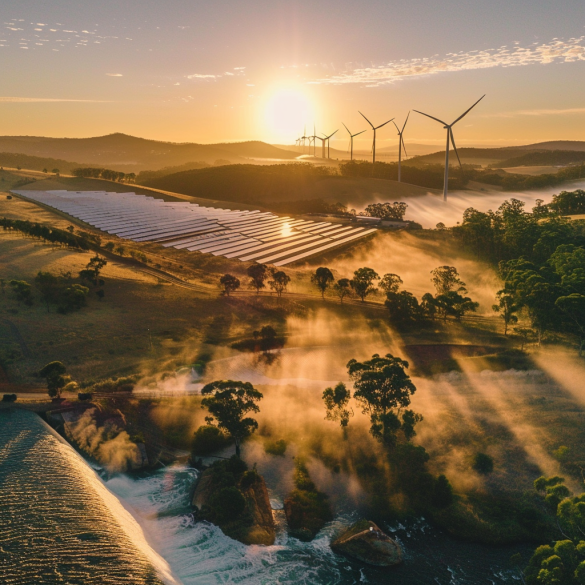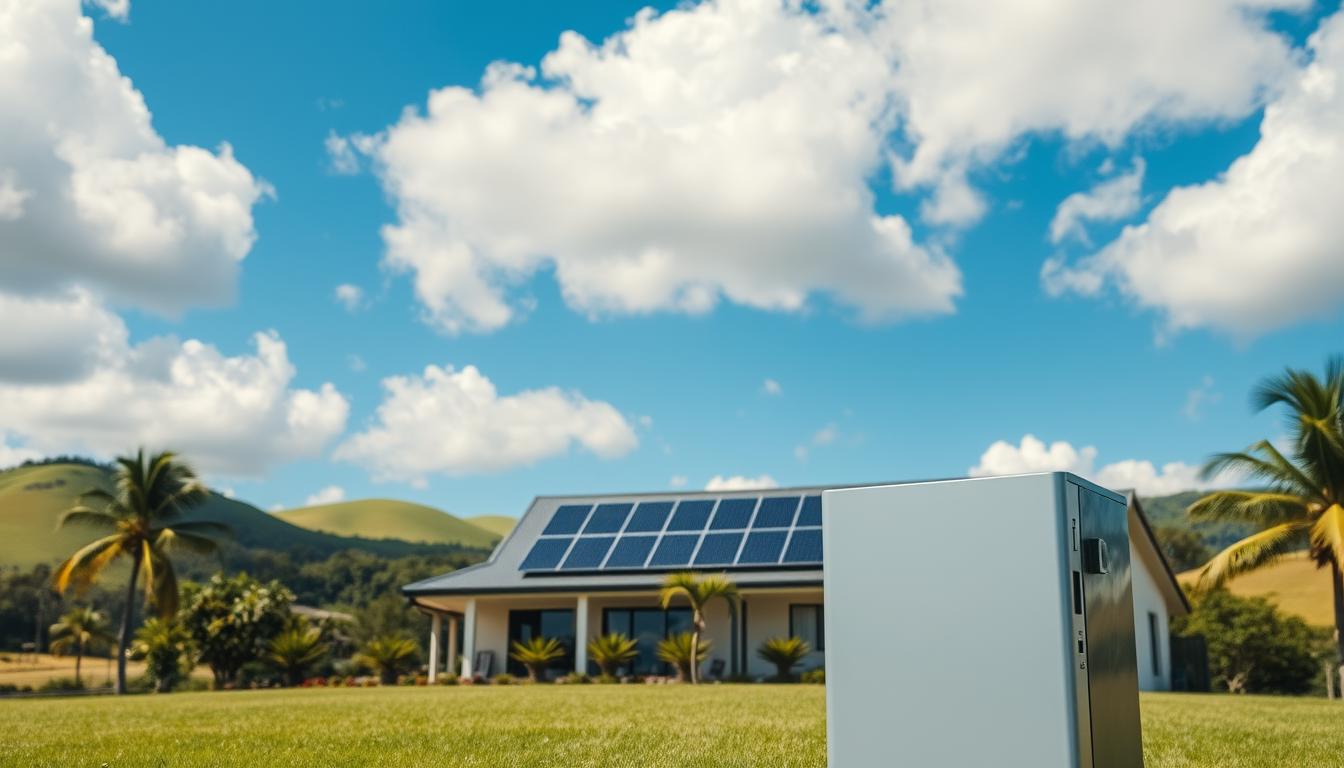
Queensland gets over 300 sunny days a year. Yet, most solar owners send up to 70% of their energy back to the grid. This means they miss out on thousands of dollars in savings.
The Sunshine State has a lot of solar power. But, when you’re not home, your solar system can’t use the energy it makes. Without storage for homes in Queensland, this energy is sent to the grid for just a few cents.
Recently, changes to the feed-in tariff in Queensland have made sending energy to the grid less worth it. At the same time, evening electricity prices keep going up. This makes energy storage very appealing.
Whether home batteries are worth it depends on your situation. We’ll look at how they can turn your solar system into a full energy solution. This gives you control over your energy costs and helps the environment.
Key Takeaways
- Queensland’s 300+ sunny days annually create ideal conditions for solar energy generation
- Most solar owners waste up to 70% of generated energy due to lack of storage
- Declining feed-in tariffs make grid export less profitable than self-consumption
- Battery storage allows you to use your own solar energy during expensive peak hours
- Energy independence reduces reliance on rising grid electricity prices
- Backup power during outages provides additional security and peace of mind
Why Queensland Leads in Solar Panel Adoption
Queensland is known as the Sunshine State for good reason. It has lots of sunlight and good energy policies. This makes it great for using energy independence with solar storage solutions.
Queensland is at the top of Australia’s solar game. This is because of its natural light and policies that support solar. Adding battery storage is a smart move here.

Queensland’s Sunshine Advantage
Queensland gets a lot of sunlight. It averages 4.2 to 5.8 kWh per square metre daily across the state. This means solar panels here make more electricity than in southern states.
Brisbane gets over 2,800 hours of sunshine a year. Places like Townsville and Cairns get even more. This sunshine means you can store more energy in batteries.
With so much sunlight, you can store energy during the day. This stored energy helps you save money at night. This is one of the powerwall benefits queensland people see with battery storage.
Rooftop Solar Penetration Rates
Queensland leads with over 44% of households having solar panels. This is more than the national average of 31%. In some areas, like Brisbane and the Gold Coast, it’s even higher.
Many Queensland homes have solar panels from 5-10 years ago. Now, with lower tariffs, they’re looking to add batteries. This makes brisbane solar battery installation a good choice for them.
There are many experienced installers and good prices in Queensland. This makes adding batteries easier and more affordable.
| Region | Solar Penetration Rate | Average Daily Sunshine Hours | Peak Solar Generation Period |
|---|---|---|---|
| Brisbane | 42% | 7.8 hours | 10am – 2pm |
| Gold Coast | 48% | 7.6 hours | 10am – 2pm |
| Townsville | 51% | 8.2 hours | 9am – 3pm |
| Cairns | 39% | 7.9 hours | 9am – 2pm |
Energy Demand Patterns
Queensland homes use most electricity in the morning and evening. This is when solar panels make the least. Morning peaks are 6-9am, and evening peaks are 5-9pm.
During the day, when solar panels work best, homes use less electricity. Air conditioning needs change with the seasons, sometimes matching solar production.
This means you can store energy during the day. Then, use it at night when it’s expensive. This is how you get energy independence with solar storage.
Government Support for Solar Growth
Queensland’s government supports renewable energy. They offer interest-free loans for battery storage. This makes batteries more accessible to homeowners.
They’ve also had generous feed-in tariffs in the past. While these have dropped, new programs focus on batteries and grid stability. The solar battery rebates qld programs help with costs.
Federal incentives also help. The Small-scale Renewable Energy Scheme gives discounts on batteries. With state rebates, you can save thousands on batteries.
The government keeps making it easier to add batteries. They’ve announced more rebate programs and support for homes with solar.
What Role Do Home Batteries Play for Solar Owners in Queensland?
The missing piece in your solar energy puzzle isn’t more panels. It’s a battery system that captures and stores your excess daytime generation. Solar battery storage queensland systems work as your personal power bank. They collect electricity when your panels produce more than you use and release it when you need it most.
Think of your battery as a bridge between solar production and household consumption. Your panels generate peak power between 10am and 2pm. Often, they create more electricity than your home uses during these sunny hours. Without storage, this excess power flows back to the grid at low rates, missing the opportunity for maximising solar investment queensland.
Storing Excess Daytime Solar
Your solar panels work hardest when electricity demand in your home is typically lowest. During peak sunshine hours, your system might generate 6-8 kWh while your household only uses 2-3 kWh.
A home battery captures this surplus energy instead of exporting it to the grid. Feed-in tariff rates brisbane and across Queensland typically range from just 3-8 cents per kWh. Your battery stores this valuable electricity for later use when grid prices soar to 25-40 cents per kWh during evening peak periods.
Modern battery systems automatically manage this process. Smart inverters detect when your solar production exceeds household demand and direct the excess into storage. This seamless operation requires no input from you – your battery simply fills up like a reservoir during sunny periods.
Increasing Solar Self-Consumption
Without a battery, typical residential solar systems cover about 30-50% of household power consumption. The remaining electricity comes from the grid at retail prices, reducing your solar savings.
Adding battery storage transforms this equation dramatically. Your solar self-consumption can increase to 80%, 90%, or even 100% depending on your system size and energy usage patterns. This shift means you’re using more of your own clean, free electricity instead of purchasing power from retailers.
The financial impact becomes clear when you consider the price difference. Every kWh you store and use later saves you the full retail electricity rate minus the low feed-in tariff you would have received. This difference often exceeds 20-30 cents per kWh, making each stored unit of electricity highly valuable.
Reducing Reliance on the Grid
Battery storage creates energy independence that goes beyond simple cost savings. You become less vulnerable to electricity price increases and supply disruptions that affect grid-dependent households.
Your reduced grid reliance also provides protection against future tariff changes. As more households adopt solar, feed-in tariffs continue declining while retail rates increase. Battery owners maintain control over their energy costs regardless of these market shifts.
Regional Queensland homeowners, in particular, benefit from this independence. Areas with less reliable grid infrastructure or higher electricity costs see greater value from battery storage systems.
Managing Peak Demand
Evening peak hours between 5pm and 9pm represent the most expensive electricity period for Queensland households. This timing coincides perfectly with when families arrive home, cook dinner, and use appliances simultaneously.
Your battery system strategically discharges during these peak periods, replacing expensive grid electricity with stored solar power. This peak shaving reduces your electricity bills while also supporting grid stability by lowering overall demand during stress periods.
| Time Period | Solar Production | Household Demand | Battery Action | Grid Usage |
|---|---|---|---|---|
| 10am – 2pm | High (6-8 kWh) | Low (2-3 kWh) | Charging | Minimal |
| 2pm – 5pm | Moderate (4-6 kWh) | Moderate (3-4 kWh) | Charging/Standby | Low |
| 5pm – 9pm | Low (0-2 kWh) | High (5-7 kWh) | Discharging | Reduced |
| 9pm – 10am | None | Low (2-3 kWh) | Discharging | Minimal |
Understanding the solar battery payback period becomes key when evaluating these benefits. The combination of increased self-consumption, peak demand management, and grid independence typically delivers payback periods of 7-12 years in Queensland, depending on your electricity usage patterns and local tariff structures.
Your battery acts as your personal power station. It stores sunshine during the day and delivers it precisely when your family needs electricity most. This strategic energy management transforms your solar investment from a daytime-only benefit into a complete energy solution.
How Much Can Queensland Solar Owners Save with a Battery?
Queensland solar owners have a big choice to make about batteries. The cost has dropped a lot, making home energy storage systems australia very appealing.
To see how much you can save, look at real data from Queensland homes. A 10kWh battery system now costs about $8,260 after rebates. It can save you $1,133 a year.
These savings come from a few places. You’ll use less grid power during expensive times. And, as feed-in tariffs fall, you’ll be more independent.

Feed-In Tariff Impact on Battery Economics
Feed-in tariffs have fallen a lot in Queensland. In 2012, you could get 44 cents per kWh. Now, most offer 3-8 cents.
This change makes storing solar energy more cost-effective. Storing your solar energy for later use now makes more financial sense than selling it back to the grid.
Take a Brisbane home with a 6.6kW solar system. Without a battery, excess solar earns 6 cents per kWh. With a battery, you use it for evening power, saving 29-39 cents per kWh.
This is a big difference. Every kWh stored and used later saves you 29-39 cents compared to selling it back to the grid.
Realistic Payback Periods for Queensland Homes
Battery payback times have gotten shorter with solar power rebates qld and federal help. Now, it’s about 8 years, down from over 10.
Your payback time depends on a few things:
- Daily energy use
- Solar system size and direction
- Local electricity rates
- Battery size and efficiency
A Brisbane family using 20kWh daily with a 6.6kW solar system might see payback in 7-9 years. Homes in regional Queensland might pay back faster because of higher rates.
Grid-connected battery systems work best when sized right for your evening needs. Too big or too small can hurt your savings.
Evening Peak Tariff Savings
Queensland’s time-of-use tariffs offer big savings for battery owners. Peak evening rates are 35-45 cents per kWh from 4pm to 9pm.
Battery storage lets you avoid these high costs. You use stored solar energy from the day instead of grid power during peak hours.
Here’s how you can save in the evenings:
| Time Period | Grid Rate (c/kWh) | Battery Usage (kWh) | Daily Savings |
|---|---|---|---|
| 4pm-7pm Peak | 42 | 8 | $3.36 |
| 7pm-10pm Shoulder | 28 | 4 | $1.12 |
| 10pm-6am Off-peak | 18 | 2 | $0.36 |
This household saves $4.84 daily by using battery storage. Over a year, that’s $1,767 in savings.
Long-Term Value Over 10-15 Years
Battery systems offer value for a long time. Most batteries come with 10-year warranties and last 12-15 years.
Electricity prices rising adds to their value. Queensland’s electricity prices have gone up 3-5% a year for the last decade. Your savings grow as grid prices do.
A 10kWh battery system saving $1,133 a year today could save $1,400+ by year 10, with 3% inflation. Over 15 years, you could save over $20,000.
Battery degradation affects long-term performance. Good lithium batteries keep 80-90% capacity after 10 years. This slow loss is included in financial plans.
There’s also the environmental benefit. Saving carbon and becoming more energy independent adds value beyond money.
What Incentives Are Available for Home Batteries in Queensland?
Queensland residents get help from federal and state programs for renewable energy storage options. These incentives can cut down the cost of getting a battery for your solar system.
Knowing about rebates and financing options helps you choose the right time for a battery. The rules for incentives change often. So, it’s good to keep up to date to get the most help.

Federal Government Incentives
The federal government started a $2.3 billion national battery rebate program in 2025. This program gives about $345 for each usable kWh of battery capacity through the Small-scale Technology Certificate (STC) system.
Let’s look at how the federal rebate works. A 10kWh battery system gets around $3,450 in federal support. A 13.5kWh system gets about $4,658 in rebates.
Claiming these rebates is easy. Your installer usually applies the discount to your purchase price. You don’t need to apply separately or wait a long time.
Queensland Interest-Free Loans
Queensland has interest-free loan programs for families to buy renewable energy storage options. These loans spread out the cost of batteries over several years without interest.
To be eligible, you must live in Queensland and meet income rules. The loan amount depends on the system size and your household. Most programs let you pay back in 4-7 years.
Interest-free loans are great when you get federal rebates too. The rebate lowers your loan amount. This makes it easier to start without a big upfront cost.
Battery Rebate Programs
Queensland’s Battery Booster Program gave rebates of $3,000-$4,000 but closed in May 2024. It helped many Queensland families get battery storage.
Even though the state program is closed, new ones might start. The Queensland government keeps supporting renewable energy in different ways.
Regional councils might also offer extra rebates or incentives. Check with your local council for programs in your area. These can give extra help.
| Incentive Type | Amount Available | Current Status | Application Process |
|---|---|---|---|
| Federal STC Rebate | $345 per kWh | Active | Through installer |
| QLD Battery Booster | $3,000-$4,000 | Closed May 2024 | No longer available |
| Interest-Free Loans | Varies by program | Available | Direct application |
| Council Rebates | $500-$2,000 | Varies by location | Council websites |
Solar + Battery Bundled Offers
Many installers offer solar + battery bundled packages for extra savings. These packages include extended warranties and system monitoring.
Bundled offers can save 10-15% compared to buying parts separately. You get a system designed together and warranty coverage for everything.
When looking at bundled offers, compare the total cost of the system. Consider installation complexity, warranty terms, and ongoing support.
The brisbane solar battery benefits are better with bundled pricing. Brisbane installers often have competitive packages that use both federal rebates and installation efficiency.
Buying at the right time can help you get the most incentives. Federal rebates stay the same, but loan availability can change. Buying while programs are open ensures you get the help you need.
Professional installers can help with incentives and make sure you follow the rules. Their knowledge can help you save more on queensland electricity savings.
Who Benefits Most from Adding a Battery in Queensland?
Figuring out if you need a battery depends on your energy use and lifestyle. Most solar owners benefit from batteries, but some in Queensland get dramatically higher returns. It’s about matching your energy use with what batteries can do.
How much energy you use, when you use it, and where you live are key. Let’s look at who gets the most from solar batteries.

High-Energy-Use Families
Families using 20kWh or more daily get the most from batteries in Queensland. This includes big families, homes with businesses, or lots of appliances like pools and air conditioning.
These families use a lot of energy. They can maximise solar self-consumption and save on expensive peak rates. If you use 25kWh and get 8-10kWh from solar, a battery helps a lot.
Think about peak tariffs. Instead of paying 28-35 cents per kWh at night, you use stored solar energy. This costs about 6-8 cents per kWh after battery losses.
EV Owners in Queensland
Electric vehicle owners in Queensland are a strong use case for home batteries. EV charging often happens at night, when solar panels aren’t working. This is perfect for battery storage.
An EV needs 12-15kWh daily in Brisbane or regional Queensland. Storing solar energy lets you charge your car for free. This can save $2,000+ annually compared to grid electricity or petrol.
Declining feed-in tariff rates make it even better. Instead of selling solar back to the grid for 6-10 cents per kWh, you use it for EV charging. This avoids 28+ cent grid electricity costs.
Homes in Regional/Rural QLD
Properties in regional and rural Queensland face unique challenges. They often have higher electricity rates, less reliable grids, and longer outages.
Rural homes pay 2-4 cents more per kWh than city homes. Battery storage is more appealing here. It’s key during storm seasons when outages can last days.
These homes use more energy for things like bore pumps and lighting. Batteries help achieve energy independence and reduce grid reliance.
Environmentally Conscious Households
Some Queensland families focus on environmental impact over saving money. They see batteries as a way to use more renewable energy.
Using a battery can cut your carbon footprint by up to 40% with solar panels. It also helps reduce peak grid demand, which often uses fossil fuels.
For these families, the benefits of home batteries in Brisbane and regional areas go beyond saving money. They help the grid and support renewable energy in Queensland.
Ask yourself these self-assessment questions to see if you’re a good fit:
- Do you consume more than 20kWh daily on average?
- Is most of your energy use concentrated in evening hours?
- Do you own or plan to purchase an electric vehicle?
- Are you located in a regional area with frequent outages?
- Do environmental benefits factor into your decision-making?
If you said yes to two or more, batteries might be right for you. Next, work out how much you can save based on your usage and local rates.
Do Home Batteries Improve Blackout Protection in Queensland?
Homeowners in Queensland are turning to solar energy storage systems for better blackout protection. These systems offer peace of mind when the power goes out. But, it’s important to know what they can and can’t do for your energy needs.
Most battery systems switch to backup mode automatically during outages. This means your lights stay on, your fridge keeps running, and important devices stay powered. This makes a big difference, even during Queensland’s stormy season.
Frequency of Blackouts in QLD
Queensland faces more power outages than many other states. Severe storms, cyclones, and bushfires often cut off electricity. Cities usually see 2-4 outages a year, lasting 1-6 hours each.
Rural areas face longer and more frequent outages. Outages in remote areas can last 12-48 hours, making backup power very important.
The number of outages varies by location. Brisbane suburbs might have brief outages, while coastal areas during cyclone season can have many long outages.
Backup Power During Storms
Storm-related outages are a big challenge for Queensland homeowners. Traditional grid-connected solar systems shut down during blackouts for safety. This leaves you without power, even on sunny days.

Battery systems with backup can solve this problem. They automatically disconnect from the grid and power your home. The Tesla Powerwall Queensland is a popular choice that includes this feature.
During storms, batteries keep working, even in bad weather. Unlike solar panels, they don’t need sunlight. So, you can use stored energy at night and during cloudy days.
Duration of Backup Supply
How long your backup lasts depends on your system and how much you use. Whole-of-home backup powers everything but usually lasts 4-8 hours with a 13.5kWh battery.
Essential load backup can last longer by only powering critical circuits. This can extend backup time to 12-24 hours, covering essentials like lighting and refrigeration.
Your actual backup time depends on several things:
- Battery capacity (10kWh, 13.5kWh, or larger systems)
- Number of powered circuits and appliances
- Energy efficiency of your household devices
- Whether you can recharge from solar during daylight hours
Using more than one battery system can make backup even longer. Some Queensland homes have 20-30kWh of storage for extra protection.
Comparison with Generators
Generators are another backup option, but batteries have big advantages for Queensland. Batteries operate silently, which is great for areas with noise rules.
Fuel availability is a big issue with generators. They need petrol or diesel, which might be hard to find when service stations are out. Batteries use stored solar energy, so they don’t need fuel.
Maintenance is easier for batteries. They need little upkeep and check themselves often. Generators need regular service, fuel stabilisation, and testing.
Environmentally, batteries are better. They produce no emissions, unlike generators which pollute the air and contribute to climate change. This makes batteries a good choice for those who want to reduce their environmental impact.
Automatic operation is another plus for batteries. They start working right away when power fails, without needing manual start-up. Generators need manual start unless you have an expensive automatic system.
But, generators can run forever with enough fuel. They might be better for very long outages, like several days, for homes that use a lot of energy.
Costs differ based on how much you use. Batteries cost more upfront but save money in the long run. Generators are cheaper to start with but cost more over time because of fuel and maintenance.
Which Home Battery Systems Work Best in Queensland?
In Queensland, many home energy storage solutions are available. You need to pick the right battery for your needs and budget. The state’s hot weather and storms are tough on batteries.
When choosing a battery, think about a few things. Capacity shows how much energy you can store. Efficiency is how much power you get back. Warranties protect your money, and heat tolerance is key in Queensland’s heat.
Prices range from $700 to $1,000 per kWh. A 10-13kWh system costs between $12,000 and $16,000 to install.
Tesla Powerwall 2
The Tesla Powerwall 2 is popular in Queensland. It has 13.5kWh of usable capacity for about $15,569 installed. It comes with an inverter, making installation easier and cheaper.
This system works well in Queensland’s heat, up to 50°C. It’s easy to mount on walls and comes with a 10-year warranty.
The Tesla app lets you see how your solar panels with battery backup are doing. It helps you use energy better.
LG Chem RESU
LG Chem RESU batteries are good value. They have 6.5kWh to 16kWh capacity and cost between $11,000 and $14,500 installed. They’re great for those watching their budget.
These batteries have 95% round-trip efficiency. This means you save more money on your bills over time.
LG offers a 10-year warranty. Their batteries keep working well for a long time. They’re small and can grow with your needs.
Sonnen Batteries
Sonnen batteries are top-notch German tech. The eco 8 model has 10kWh capacity for about $12,724 installed. It’s a good middle option with advanced features.
These systems have smart software. It learns your energy use and optimises it. This includes using solar energy wisely.
Sonnen batteries last a long time. They’re great for those wanting energy self-sufficiency brisbane homes need.
BYD Modular Batteries
BYD modular batteries are flexible for growing families. Starting at 13.8kWh for $13,945 installed, you can add more as needed.
They’re modular, so you can start small and grow. This helps manage costs and meets changing energy needs.
BYD batteries use safe lithium iron phosphate chemistry. They handle Queensland’s climate well, from -10°C to 55°C.
| Battery System | Capacity (kWh) | Installed Cost | Warranty Period | Key Advantage |
|---|---|---|---|---|
| Tesla Powerwall 2 | 13.5 | $15,569 | 10 years | Integrated inverter |
| LG Chem RESU | 6.5-16 | $11,000-$14,500 | 10 years | High efficiency (95%) |
| Sonnen eco 8 | 10 | $12,724 | 10 years/10,000 cycles | Smart energy management |
| BYD Modular | 13.8+ | $13,945 | 10 years | Expandable system |
Your choice depends on your needs and what you value most. Big energy users need bigger systems. Those thinking about electric cars might prefer BYD’s modular option.
Don’t forget to use queensland solar incentives when buying a battery. These can lower your costs and help you become energy independent faster.
How Do Queensland Electricity Tariffs Affect Battery Value?
The cost of electricity in Queensland can greatly affect your battery investment. Knowing about tariff structures is key to saving money and maximising the return on your residential battery systems investment.
In Queensland, the electricity market works in a way that’s good for retailers. You pay more for power when it’s needed most, but get little back when you make extra energy. This gap is where batteries can really help.
Standard vs. Time-of-Use Tariffs
Most homes in Queensland have standard flat-rate tariffs. This means you pay the same for electricity all the time. Rates are usually between 35 to 40 cents per kilowatt-hour across the state.
Time-of-use tariffs are different. They charge you more or less depending on when you use electricity. Peak times are 4pm to 9pm on weekdays, when everyone is home and using lots of power.
For Brisbane solar power users, this is when things get really interesting. Electricity costs over 45 cents per kilowatt-hour during these times. Your solar panels aren’t working, so you’re buying expensive power when you need it most.
Smart battery users store solar energy for these expensive times. Instead of paying 45+ cents per kWh, they use free energy. This saves a lot, and is even more helpful for families who use a lot of power in the evenings.
Declining Feed-In Tariffs
Feed-in tariffs for solar energy in Queensland have dropped a lot in the last decade. Today, most retailers offer between 3 to 8 cents per kilowatt-hour for excess solar energy you export to the grid.
This creates a big gap between what you pay for electricity and what you get for solar exports. You might pay 40 cents to buy a unit of electricity but only get 5 cents to sell it back.
This big price difference makes storing your own solar energy very valuable. Every kilowatt-hour you store and use later saves you the full retail electricity rate, not just the tiny feed-in tariff amount.
In regional Queensland, feed-in rates are often even lower. This makes battery systems very attractive for rural properties. Some areas get as little as 3 cents per kWh for solar exports, while paying over 35 cents to buy grid electricity.
Peak Evening Costs
Evening peak periods offer the biggest chance to save with batteries in Queensland. This is when families use the most electricity—cooking dinner, running air conditioning, and charging devices.
Unfortunately, this is also when your solar panels produce zero electricity. Without a battery, you’re forced to buy expensive peak-rate power from the grid. With a battery, you can use the free solar energy you stored during the day.
Consider a typical Brisbane family using 8 kWh during evening peak hours. At 45 cents per kWh, that’s $3.60 per day or over $1,300 per year just for peak period electricity. A properly sized battery system can eliminate most of these costs.
The savings are even more impressive during Queensland’s hot summer months. Air conditioning can push evening electricity use to 15 kWh or more, creating daily peak period costs exceeding $6.75.
Tariff Trends for the Future
Feed-in tariffs for solar energy in Queensland will likely keep going down. The Queensland Competition Authority regularly reviews these rates, and they’re trending downward.
At the same time, peak period electricity costs are expected to rise. Grid infrastructure upgrades, transmission costs, and increasing demand during evening hours all contribute to higher peak rates.
This gap between what you pay for electricity and what you get for solar exports is getting bigger. Experts predict the “solar spread” could reach 50 cents per kWh within five years, making battery storage even more profitable.
Time-of-use tariffs are becoming more common in Queensland. Retailers are encouraging customers to switch from flat rates to time-based pricing. This can improve battery payback periods by 1 to 2 years for strategic households.
Smart Queensland homeowners are already preparing for these changes. By installing battery storage now, they can save money that will only grow as electricity pricing becomes more time-sensitive and feed-in tariffs continue to drop.
When Is the Best Time for Queensland Solar Owners to Add a Battery?
Queensland solar owners have a great chance to get a battery in 2024-2025. Battery costs are going down, and government rebates are attractive. At the same time, electricity prices are rising. Knowing these trends helps you decide when to buy a battery.
Choosing the right time means weighing now against future savings. Waiting might seem smart, but today’s deals are good and might not last. Let’s look at what makes the best time to buy sustainable energy storage.
Current Costs vs. Future Declines
Battery prices are slowly falling, about 5-10% each year. But, waiting for prices to drop more might not be the best plan. Today’s batteries are reliable and last 10-15 years.
The price drop is slowing down. Most of the big cost cuts have happened already. Now, you get proven technology that won’t become outdated soon.
Installation and equipment costs are steady. These costs are a big part of your total investment. Waiting for prices to drop won’t save you much money.
Government Rebates Availability
The federal government’s battery rebate program starting in 2025 is a big plus. Queensland’s interest-free loans help too. These deals might not last forever.
Rebates can cut your upfront costs by thousands. With both federal and state help, you can get a good return on your investment. Government support for renewable energy storage can change with politics and budgets.
Grabbing rebates now means you save money for sure. Future deals are uncertain, making today’s offers very valuable for energy independence for homeowners.
Electricity Price Forecasts
Electricity prices in Queensland are going up due to grid costs and renewable energy. Experts say prices will keep rising for the next decade. This makes batteries more appealing over time.
Peak evening tariffs are increasing faster than off-peak rates. This helps battery owners avoid expensive evening grid electricity. The growing difference between peak and off-peak rates makes batteries more valuable.
Network charges and connection fees are also going up. Batteries can lower these costs by reducing your grid use. Early adoption lets you save more from these trends, like reducing electricity bills brisbane households.
Expert Opinions on Market Timing
Analysts say now is a good time to invest, with an 8-year payback period. Most agree waiting for lower costs is not worth it. The current tech and incentives make it a good time.
The best time to invest in batteries has come. The technology is reliable, costs are fair, and government support is strong.
Experts say solar panel efficiency queensland conditions make batteries valuable all year. Queensland’s sun ensures reliable solar charging. This reliability supports strong returns, even with minor future cost changes.
Financial advisors suggest looking at the whole system’s value, not just costs. Today’s market offers proven tech, good financing, and immediate benefits. Your decision should focus on your energy needs, financial readiness, and incentives, not just future savings.
Your situation decides the best time. If you use a lot of electricity at night, have enough roof space, and can get rebates, now is a good time. The sustainable energy storage technology is mature, ensuring your investment will last many years.
What Are the Environmental Benefits in Queensland?
Your battery investment does more than save you money. It also helps the environment in Queensland. By using solar panels and home batteries, you join a big push for cleaner energy.
Reducing Household Carbon Emissions
Adding a battery system can cut your carbon footprint by more than double. It stores extra solar energy for later use. This way, you don’t use as much power from the grid, which is often made from coal.
Households in Queensland with batteries cut their carbon emissions by 3-5 tonnes a year. This is more than those with solar panels only.
Lowering Peak Grid Demand
Your battery helps ease the load on Queensland’s power grid during busy times. When many homes use stored solar energy, it lessens the need for extra power plants. This is important during peak hours of 4-8 PM.
Cleaner Backup vs. Generators
Battery backup systems don’t produce emissions and are quiet. This is unlike diesel generators, which pollute and are noisy. They also don’t need fuel storage and provide power during Queensland’s storm season.
Recycling Challenges for Batteries
Recycling programs for batteries are growing in Australia. Big names like Tesla and LG have take-back programs. New recycling facilities are also being built to reuse materials from old batteries.
FAQ
Do home batteries really help Queensland solar panel owners save money?
Yes, home batteries can save a lot of money for Queensland solar owners. With feed-in rates dropping, storing solar energy for evening use is smart. A 10kWh battery can save around
FAQ
Do home batteries really help Queensland solar panel owners save money?
Yes, home batteries can save a lot of money for Queensland solar owners. With feed-in rates dropping, storing solar energy for evening use is smart. A 10kWh battery can save around $1,133 a year.
What makes Queensland ideal for solar battery storage systems?
Queensland gets a lot of sunlight, perfect for solar panels. Over 44% of homes have solar panels. Batteries help use more solar energy, even when the sun isn’t out.
How much can a battery increase my solar self-consumption in Queensland?
Batteries can boost solar self-consumption from 35% to over 80% in Queensland. They store daytime solar energy for evening use. This avoids expensive grid electricity.
What’s the typical payback period for solar batteries in Queensland?
The payback period for home batteries in Queensland is 8-12 years. A 10kWh battery system can save a lot over its 10-15 year life. Many systems pay off within their warranty period.
Are there government rebates available for home batteries in Queensland?
Yes, the federal government offers rebates for home batteries. A 10kWh battery gets about $3,450 in federal support. Queensland’s Battery Booster Program has closed, but other savings options are available.
Who benefits most from installing a home battery in Queensland?
Families using 20kWh or more daily and EV owners see the biggest savings. Regional and rural homes also benefit from battery storage and backup power.
How long will a home battery provide backup power during Queensland blackouts?
Backup time varies based on system design and usage. Whole-home systems last 4-8 hours. Essential load systems can last 12-24 hours, ideal for long outages.
Which battery brands work best in Queensland’s climate conditions?
Tesla Powerwall 3 and LG Chem RESU systems are reliable in Australia. Sonnen and BYD batteries offer premium features. All brands have 10-year warranties and high efficiency.
How do Queensland electricity tariffs affect battery investment returns?
Queensland’s tariffs make batteries very profitable. The “solar spread” makes storing energy cost-effective. Time-of-use tariffs can improve payback periods by 1-2 years.
Is now the right time to install a battery system in Queensland?
Now is a good time for Queensland solar owners. Battery costs are dropping, and the federal rebate program is launching soon. Experts say it’s a great time to invest.
What environmental benefits do home batteries provide in Queensland?
Home batteries can double your carbon footprint reduction. They use more renewable energy and less grid electricity. They also provide clean backup power without emissions.
Can I add a battery to my existing Queensland solar system?
Yes, most solar systems can add batteries. Your installer will choose the best setup. Many batteries are designed for retrofitting.
How do Brisbane solar battery installations compare to other Queensland regions?
Brisbane has competitive installers and grid infrastructure. Regional areas see more value due to higher rates and outages. Coastal areas need cyclone-rated equipment, but all regions benefit from high solar irradiance.
What happens to old batteries when they need replacement in Queensland?
Recycling programs for old batteries are growing. Manufacturers offer take-back schemes. Proper recycling ensures valuable materials are reused, supporting sustainable energy goals.
,133 a year.
What makes Queensland ideal for solar battery storage systems?
Queensland gets a lot of sunlight, perfect for solar panels. Over 44% of homes have solar panels. Batteries help use more solar energy, even when the sun isn’t out.
How much can a battery increase my solar self-consumption in Queensland?
Batteries can boost solar self-consumption from 35% to over 80% in Queensland. They store daytime solar energy for evening use. This avoids expensive grid electricity.
What’s the typical payback period for solar batteries in Queensland?
The payback period for home batteries in Queensland is 8-12 years. A 10kWh battery system can save a lot over its 10-15 year life. Many systems pay off within their warranty period.
Are there government rebates available for home batteries in Queensland?
Yes, the federal government offers rebates for home batteries. A 10kWh battery gets about ,450 in federal support. Queensland’s Battery Booster Program has closed, but other savings options are available.
Who benefits most from installing a home battery in Queensland?
Families using 20kWh or more daily and EV owners see the biggest savings. Regional and rural homes also benefit from battery storage and backup power.
How long will a home battery provide backup power during Queensland blackouts?
Backup time varies based on system design and usage. Whole-home systems last 4-8 hours. Essential load systems can last 12-24 hours, ideal for long outages.
Which battery brands work best in Queensland’s climate conditions?
Tesla Powerwall 3 and LG Chem RESU systems are reliable in Australia. Sonnen and BYD batteries offer premium features. All brands have 10-year warranties and high efficiency.
How do Queensland electricity tariffs affect battery investment returns?
Queensland’s tariffs make batteries very profitable. The “solar spread” makes storing energy cost-effective. Time-of-use tariffs can improve payback periods by 1-2 years.
Is now the right time to install a battery system in Queensland?
Now is a good time for Queensland solar owners. Battery costs are dropping, and the federal rebate program is launching soon. Experts say it’s a great time to invest.
What environmental benefits do home batteries provide in Queensland?
Home batteries can double your carbon footprint reduction. They use more renewable energy and less grid electricity. They also provide clean backup power without emissions.
Can I add a battery to my existing Queensland solar system?
Yes, most solar systems can add batteries. Your installer will choose the best setup. Many batteries are designed for retrofitting.
How do Brisbane solar battery installations compare to other Queensland regions?
Brisbane has competitive installers and grid infrastructure. Regional areas see more value due to higher rates and outages. Coastal areas need cyclone-rated equipment, but all regions benefit from high solar irradiance.
What happens to old batteries when they need replacement in Queensland?
Recycling programs for old batteries are growing. Manufacturers offer take-back schemes. Proper recycling ensures valuable materials are reused, supporting sustainable energy goals.