Building a sustainable lifestyle is key for those who care about the planet, as Sustainable Home Magazine says. Living in remote areas of Australia means you need to plan well to lessen your impact on the environment.
By changing your daily habits a bit, you can help the planet and save cash. This includes using less energy and growing your own food.
Living sustainably is good for the planet and makes your life better. By doing these things, you help create a greener future.
Key Takeaways
- Adopt eco-friendly practices to reduce your environmental footprint.
- Reduce energy consumption to save money and resources.
- Growing your own food can significantly contribute to a sustainable lifestyle.
- Simple daily habit changes can make a significant environmental impact.
- Building a sustainable routine enhances your quality of life.
Why Sustainable Routine Living Matters in Remote Australia
Sustainable living is a must in remote Australia’s tough yet stunning places. It helps keep the Australian environment special and makes your life better.

Environmental Challenges in Remote Regions
Remote Australia has big environmental problems, like dealing with waste and saving water. Sustainable habits for remote living are key to solving these issues. For example, good waste management and less energy use can help a lot.
Some big environmental problems include:
- Managing landfill waste
- Conserving water resources
- Reducing energy consumption
- Protecting biodiversity
Cost of Living & Self-Sufficiency
Living off the grid can cut your costs in remote areas. Being self-sufficient means you don’t need to buy as much. Making your own energy or growing food can save a lot of money.
| Sustainability Measure | Cost Saving | Environmental Benefit |
|---|---|---|
| Renewable Energy Generation | Up to 50% reduction in energy bills | Reduced carbon footprint |
| Home Gardening | Save on grocery bills | Fresh produce, reduced transportation emissions |
| Water Conservation | Lower water bills | Conserved water resources |
Mental & Physical Health Benefits
Living sustainably in remote areas is good for your mind and body. Being outdoors and active can make you feel better. Plus, feeling proud of your sustainable lifestyle can improve your mental health.
Community & Cultural Connections
Sustainable living in remote Australia means connecting with the community and respecting local cultures. Living in harmony with the environment and culture strengthens your bond with the community and the land.
Examples of community and cultural connections include:
- Participating in local sustainability initiatives
- Learning from indigenous land management practices
- Supporting local businesses and artisans
How to Build a Daily Sustainable Routine
Creating a daily routine that is both sustainable and efficient is key to thriving in remote Australia’s unique environment. By incorporating simple yet effective habits into your daily schedule, you can significantly reduce your environmental footprint while improving your quality of life.
Morning Energy-Efficient Habits
Starting your day with energy-efficient habits sets a positive tone for sustainability. Begin with natural light exposure instead of artificial lighting. Open your curtains or take a short walk outside in the morning to harness the sun’s energy.
You can also reduce your reliance on electric appliances by using a manual or solar-powered coffee grinder or a stovetop kettle.

Another effective habit is to plan your day the night before. This way, you can make the most of your morning without wasting energy on decision-making.
Work-Life Scheduling
Balancing work and personal life is key for a sustainable routine. Create a schedule that aligns with natural daylight to minimize artificial lighting needs. When working from home, designate a specific workspace to maintain a clear boundary between work and personal life.
To further optimize your work-life balance, consider flexible working hours. This allows you to attend to personal matters or take breaks when needed. This flexibility can help reduce stress and improve overall well-being.
Evening Wind-Down Routines
Winding down in the evening is essential for a restful night’s sleep and maintaining a sustainable lifestyle. Dim or turn off lights when not in use to conserve energy. Consider using candles or solar-powered lanterns for ambient lighting.
Engage in relaxing activities like reading, meditation, or yoga to unwind. Avoid screens for at least an hour before bedtime to improve sleep quality.
Weekly & Seasonal Planning
Effective planning is key to a sustainable routine. Set aside time each week to plan your meals, grocery shopping, and household chores. This helps reduce waste and ensures you’re making the most of your resources.
Also, plan for seasonal changes by adjusting your routine to accommodate variations in temperature, daylight, and weather conditions. This might involve switching to more energy-efficient appliances or adjusting your gardening schedule.
What Sustainable Energy Options Work Best in Remote Australia?
Living in remote Australia means you can live more sustainably. The area’s vastness and natural resources are perfect for renewable energy. By choosing the right sustainable energy systems, you can cut down on non-renewable energy use.
Reliable Solar Power Systems
Solar power is a top choice for remote Australia. The area gets lots of sunlight all year. Solar panels offer a steady energy source.
Modern solar systems are efficient and can be tailored to your needs. They can last up to 25 years or more. This makes them a smart long-term investment.
Effective Wind & Hybrid Systems
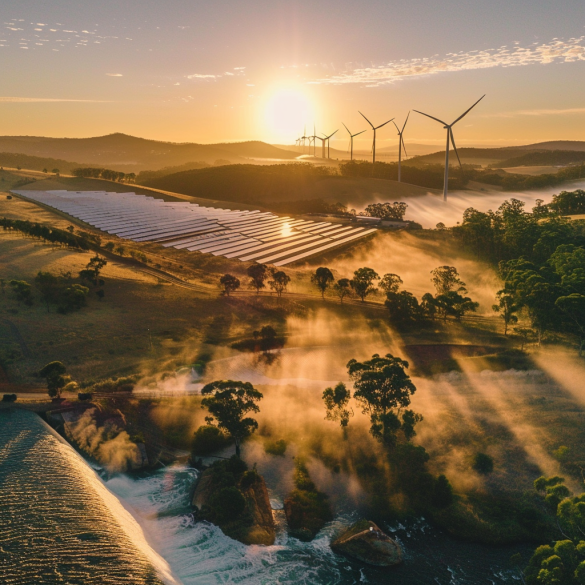
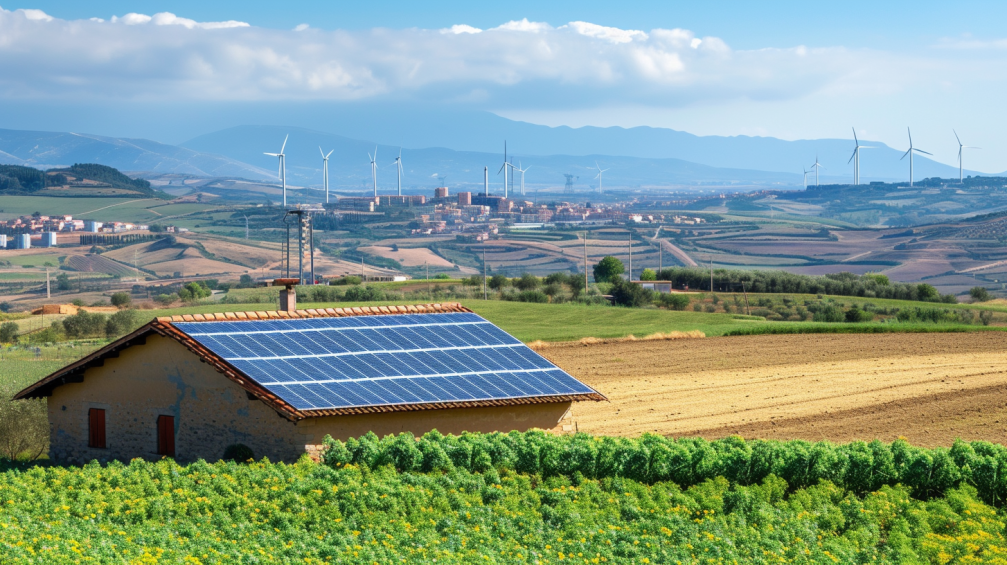
Where wind is common, wind turbines are a good option. Hybrid systems mix solar and wind power. They provide a steady energy supply, even when sunlight is low.
Efficient Battery Storage Solutions
Battery storage is key for renewable energy systems. It lets you save energy made during the day for later. New battery tech, like lithium-ion, is efficient and lasts long.
Government Incentives & Rebates
The Australian government helps with sustainable energy costs. They offer incentives and rebates. Check out programs like the Small-scale Renewable Energy Scheme (SRES) to see if you qualify.
Choosing sustainable energy like solar, wind, and hybrid systems cuts down on pollution. It also makes you more energy independent. With government help, switching to green energy is easier than ever.
Where to Source Food & Essentials Sustainably
Finding food and essentials in a green way is key when living far from cities. Making smart choices helps the planet and helps local businesses.

Local & Indigenous Food Sources
Supporting local and Indigenous food is a smart move. You can find fresh food at farmers’ markets or through CSA programs. Bush tucker from Indigenous communities offers healthy and unique foods.
By choosing these options, you get healthy food and help the local economy. You also keep cultural traditions alive.
Benefits of Local & Indigenous Food Sources:
- Fresh and nutritious food
- Supports local economy
- Preserves cultural heritage
- Reduces carbon footprint from transportation
Home Gardening & Permaculture
Growing your own food is a great way to live sustainably. Home gardening and permaculture help you make a lot of your own food. Permaculture aims to create a self-sustaining system with little waste.
Tips for Home Gardening & Permaculture:
- Start small and plan carefully
- Use drought-tolerant plants
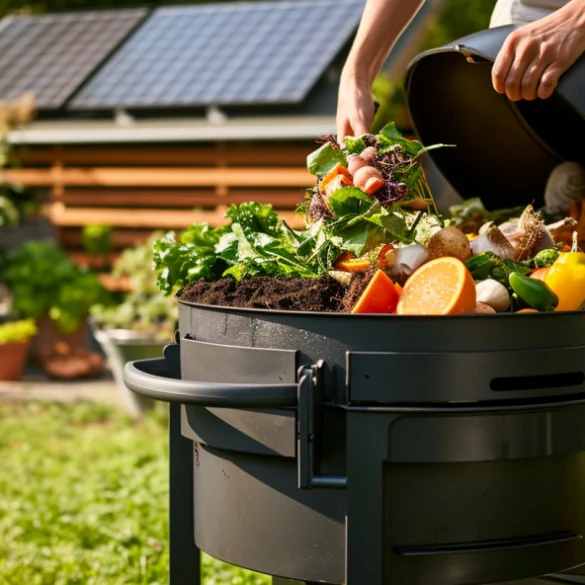
- Incorporate composting and recycling
- Consider rainwater harvesting
Bulk Buying & Supply Runs
Buying in bulk and planning trips can save money and reduce waste. Buying non-perishable items and household goods in bulk is smart. Sharing with neighbors can also cut costs.
Benefits of Bulk Buying & Supply Runs:
- Reduces packaging waste
- Saves money
- Reduces transportation costs
- Encourages community sharing
Community Co-Ops & Sharing Systems
Joining community co-ops and sharing systems is another good idea. Many remote areas have co-ops where members share resources. Online platforms and local groups also offer ways to share and collaborate.
Examples of Community Co-Ops & Sharing Systems:
- Food co-ops
- Tool-sharing programs
- Car-sharing schemes
- Community gardens
How to Stay Physically & Mentally Healthy in Remote Living
To thrive in remote areas, it’s key to focus on your well-being. Living in remote Australia can be tough. But, with the right steps, you can keep your body and mind healthy.

Daily Movement & Exercise Outdoors
Moving every day is important for your health. You can do this by going for walks, swimming, or just exploring your property. Exercise not only makes your body strong but also helps your mind by lowering stress and anxiety.
Tips for daily movement:
- Schedule outdoor activities into your daily planner
- Find a local walking group or exercise buddy
- Try new outdoor activities like kayaking or rock climbing
Mindfulness & Stress Relief Practices
Mindfulness is key for managing stress and keeping your mind healthy. Practices like meditation, deep breathing, or yoga can help you stay calm and focused. As “The power of mindfulness can transform your life by reducing stress and increasing self-awareness.”
Begin with short mindfulness exercises. Then, slowly increase the time as you get better at it.
Work-Life Separation Strategies
It’s important to keep work and personal life separate, even in remote areas. Having a dedicated workspace and regular working hours helps keep a balance between work and play.
“A clear distinction between work and personal life is vital for maintaining mental health and overall well-being.”
Sleep & Recovery in Harsh Climates
Getting enough sleep and rest is critical, even more so in harsh climates. Make sure your living space is cool and comfy when it’s hot. Think about using cooling systems or shading to keep it cooler.
Tips for better sleep:
- Maintain a consistent sleep schedule
- Create a sleep-conducive environment
- Avoid screens before bedtime
Comparing Remote vs. Urban Sustainable Living
Living sustainably is different in remote and urban places. Knowing these differences helps you live green in remote Australia.
Energy Consumption & Efficiency
In remote spots, homes use off-grid solar or wind power. Urban homes get power from the grid and share costs.
Key differences in energy consumption between remote and urban areas include:
| Aspect | Remote Areas | Urban Areas |
|---|---|---|
| Primary Energy Source | Off-grid solar, wind | Grid-connected electricity |
| Energy Storage | Battery banks, generators | Grid storage, less personal storage needed |
| Energy Efficiency Measures | Careful consumption monitoring, energy-efficient appliances | Smart grids, energy-efficient appliances |
Food Systems & Supply Chains
Remote spots use local food and gardening. Urban areas have more food choices and complex supply chains.
The benefits of local food systems in remote areas include:
- Reduced reliance on transportation
- Increased food security through local production
- Preservation of indigenous food cultures
Lifestyle Pace & Routines
Life moves at different speeds in remote and urban areas. Remote living is more flexible. Urban living is faster and more structured.
Environmental Impact
Remote areas have a closer connection to nature, leading to more sustainable living. Urban areas have a bigger environmental footprint but can be more efficient.
A comparison of environmental impact includes:
| Environmental Aspect | Remote Areas | Urban Areas |
|---|---|---|
| Water Usage | Rainwater harvesting, careful usage | Mains water supply, higher usage |
| Waste Management | On-site recycling, composting | Organized waste collection, recycling programs |
| Land Use | Permaculture, home gardening | Urban agriculture, community gardens |
When to Adjust Your Routine for Remote Sustainability
To thrive in remote Australia, knowing when to adjust your sustainable routine is key. Living in remote areas has its own challenges, like harsh weather and economic ups and downs. Being flexible is essential for a sustainable lifestyle.
Seasonal Climate Shifts
Seasonal climate shifts are a big factor in your routine. Australia’s remote areas face extreme weather, from hot summers to heavy rains. Changing your daily routine to match these changes can save energy and resources.
For example, in the hottest summer months, you might work early mornings and late evenings. This helps you avoid the heat.
Health & Energy Levels
Keeping an eye on your health and energy levels is important. Remote living can be tough, and finding a balance between work and rest is key. If you’re feeling tired, it’s time to look at your routine and make changes.
Make sure you’re getting enough sleep and eating well. This helps you stay healthy and energized.
Economic or Supply Changes
Economic fluctuations or supply chain disruptions can affect your sustainable living. Knowing about these changes helps you adjust your budget and use resources wisely. For example, when money is tight, focusing on being self-sufficient can help.
Community Needs & Events
Being part of a community is important in remote areas. Joining in community events and helping with community needs builds connections and supports sustainability. Adjusting your routine to help out can make your living experience better.
By being aware of these factors and adjusting your routine, you can live sustainably and happily in remote Australia. Sustainability is about adapting to your environment’s unique challenges and opportunities.
Common Mistakes in Remote Sustainable Routines
Living sustainably in remote Australia needs careful planning. It’s not just about wanting to do it. Knowing common mistakes helps you avoid them.
Over-reliance on Imported Goods
Using too many imported goods can harm the environment. Try to buy local or make things yourself. For example, making cleaning products from natural stuff saves money and is good for the planet.
- Look for local markets for fresh food and handmade items.
- Start a home garden to cut down on buying food.
- Try making your own cleaning products.
Wasting Water & Energy
Wasting water and energy hurts your green goals. Use smart systems and watch your use. Think about getting rainwater tanks and solar panels to use less non-renewable stuff.
Key strategies include:
- Put in low-flow showerheads and toilets.
- Choose energy-saving appliances.
- Keep your renewable energy systems in good shape.
Ignoring Physical & Mental Health
Ignoring your health is bad, even more so in remote places. It’s key to take care of yourself and keep a balance between work and life.
Consider these practices:
- Find a workout routine that fits your area.
- Try mindfulness and stress relief.
- Have a support group, online or in your community.
Lack of Flexibility in Routines
Being too rigid with your green plans can make you tired and upset. It’s important to be flexible, like when seasons change or things don’t go as planned. Change your plans often to keep up with your goals.
Tips for maintaining flexibility:
- Check your green goals often and change your plans if needed.
- Get ready for changes in weather and what’s available.
- Learn about new green ideas and tech that can help you.
How to Blend Work, Life & Sustainability
Blending work, life, and sustainability is key for a balanced life in remote Australia. A few simple strategies can make your daily routine more eco-friendly and fulfilling.
Eco-Friendly Workspaces at Home
Having an eco-friendly workspace at home is vital for remote living. Use natural light, recycled materials, and energy-saving gear to lessen your impact on the environment. For example, switch to LED bulbs for less energy use.
Family-Inclusive Routines
Getting your family involved in green habits builds community and teamwork. Encourage them to help with gardening, recycling, and saving energy. This creates a sustainable culture at home.
Adding nature to your daily life and practicing balance rituals boosts your well-being. Look for local and online resources for eco-friendly living tips. They can help you live sustainably in remote Australia.
Living an eco-friendly life in remote Australia needs a whole-life approach. By using these strategies, you can build a better, greener life for yourself and the planet.
FAQ
Q: What are the benefits of building a sustainable routine in remote Australia?
A: Living sustainably in remote Australia helps the planet and saves money. It also boosts your health. Plus, you get to connect with your community and keep cultural traditions alive.
Q: What are some effective ways to reduce energy consumption in remote Australia?
A: To cut down energy use, try solar power, wind, and hybrid systems. Also, use battery storage. Turn off lights and appliances when not needed.
Q: How can I source food and essentials sustainably in remote Australia?
A: Buy local and Indigenous food. Grow your own food. Buy in bulk. Join community co-ops and share systems.
Q: What are some common mistakes to avoid when building a sustainable routine in remote Australia?
A: Don’t rely too much on imported goods. Don’t waste water and energy. Keep your health in check. Be flexible with your routine.
Q: How can I maintain my physical and mental health in remote Australia?
A: Move daily and exercise outside. Practice mindfulness and stress relief. Keep work and personal life separate. Prioritize sleep and rest.
Q: What are the differences between sustainable living in remote and urban areas?
A: Remote living needs more planning due to unique challenges. Energy use, food systems, and lifestyle pace differ from cities.
Q: How can I adjust my routine to respond to seasonal climate shifts in remote Australia?
A: Adapt to weather changes by adjusting energy use, food, and outdoor activities. Stay aware of the seasons.
Q: What are some ways to integrate nature into my daily habits in remote Australia?
A: Spend time outside. Try hiking or gardening. Add natural elements to your daily life.
Q: How can I create an eco-friendly workspace at home in remote Australia?
A: Use sustainable materials and reduce energy. Minimize waste. Add plants for better air and focus.
Q: What government incentives are available for sustainable energy systems in remote Australia?
A: The Australian government offers rebates for sustainable energy like solar and wind systems.
Q: How can I stay connected with my community while living in remote Australia?
A: Join co-ops, attend events, and participate in activities. Stay involved in your community.
Q: What are some effective ways to reduce waste in remote Australia?
A: Use less plastic, compost, and recycle. Buy in bulk and avoid packaging waste.