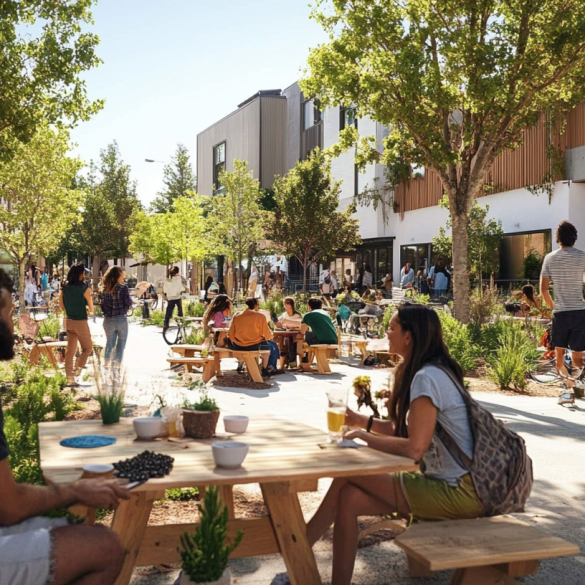
Living in the Australian outback can actually improve your wellbeing. Many think remote places mean bad healthcare and more isolation. But that’s not true.
Remote living in Australia offers chances for sustainable living practices that city folks can only imagine. You’ll get to breathe cleaner air, make stronger community bonds, and connect more with nature. But, you need to plan well and take action.
This guide will show you evidence-based approaches to keep your body and mind healthy in remote Australia. From the red centre to coastal spots, you’ll find affordable, eco-friendly ways to stay well. The idea is to boost your wellbeing, not lose it, by planning smart and living sustainably.
Key Takeaways
- Remote Australian living can enhance your wellbeing when approached with proper planning and strategies
- Proactive healthcare planning and community building are essential for combating isolation challenges
- Sustainable living practices in remote areas offer cleaner environments and stronger social connections
- Cost-effective wellness solutions can be implemented regardless of your location or budget
- Evidence-based approaches help you thrive in remote environments from the outback to coastal regions
Why Physical & Mental Health is a Challenge in Remote Australia
Living in remote areas of Australia comes with its own set of health challenges. Remote Australia presents unique obstacles that need different solutions for staying healthy compared to city life.
Research shows remote workers and residents face more stress due to limited healthcare access. Some places are 2-4 hours away from basic medical services. The extreme heat and drought add to these challenges.

It’s not about giving up. It’s about setting realistic goals and building strong support systems. Many people living in remote areas find better health outcomes once they adapt.
Distance from Healthcare Services
The biggest hurdle is the distance to medical facilities. Your nearest doctor might be 100 kilometres away. Specialist appointments often require overnight trips to bigger cities.
This distance means waiting weeks for appointments that city people get in days. Minor health issues can turn serious without quick access to doctors. Emergency situations are even more stressful when the nearest hospital is hours away.
But this challenge makes you more proactive about health. You learn to spot early signs and keep better health records. Many remote residents use telehealth services to build strong relationships with their doctors.
Harsh Climate & Environmental Stress
Remote Australia’s extreme weather is a big health stressor. Temperature can drop 30°C at night, putting a constant strain on your body.
Drought affects both physical and mental health. Dust storms, heat waves, and flooding create environmental pressures. These can cause respiratory issues, dehydration, and heat-related illnesses.
Isolation during bad weather adds to these stresses. You might be cut off from supplies and social contact for weeks. This requires careful preparation and building resilience.
Social Isolation & Loneliness
Isolation affects mental health in remote areas. Your nearest neighbour might be 50 kilometres away. Reliable internet for video calls isn’t always available.
Social isolation is different when you can’t easily meet friends or go to community events. The lack of spontaneous social interactions can lead to loneliness and disconnection.
This isolation affects families differently. Children miss out on peer interactions, and adults struggle with reduced social stimulation. But, many remote communities have strong bonds, creating support networks that cities often lack.
Limited Access to Specialists
Getting specialist medical care is the biggest challenge in remote areas. Mental health professionals, physiotherapists, and medical specialists rarely visit remote areas.
You’ll need to travel to major cities for specialist consultations. This is expensive and time-consuming, requiring days away from work and family. The cost of travel, accommodation, and lost income can be too high.
Waiting lists for specialists are long when you factor in travel. Many remote residents delay seeking specialist care, hoping issues will resolve themselves. This delay can lead to more serious health problems.
Despite these challenges, remote living has health benefits. Cleaner air, reduced stress from traffic and crowds, and stronger community bonds often outweigh the healthcare access difficulties. The key is understanding these challenges and finding effective ways to manage them.
How to Maintain Physical Health in Remote Living
Living in remote Australia can be a challenge, but it also offers great opportunities. The wide open spaces and clean air are better than any gym. You just need to find routines that fit your location.
Studies show that exercising outside can reduce stress by 15% more than indoor workouts. This is very helpful when you have to travel far for rural wellbeing services.
Daily Movement & Exercise Outdoors
Your backyard or nearby nature can be your own gym. Morning walks in the bush are great for your heart. Swimming in natural pools also works your whole body and clears your mind.
There’s always something to do outside, no matter the season. Summer is for hiking and water sports. Winter is perfect for longer walks. It’s better to do a little bit every day than to try too much at once.
Many wellbeing programs for farmers now include outdoor activities. Exercise at sunrise or sunset helps them sleep better, which is important when farming is stressful.
Home Fitness & Minimal Equipment Training
Home workouts don’t need to be expensive. Spending $150-300 can get you everything you need:
- Resistance bands ($20-40) for strength training
- Yoga mat ($30-60) for floor exercises
- Adjustable dumbbells ($100-200) for progressive overload
Start with bodyweight exercises like push-ups, squats, and planks. You can do these anywhere, like on your verandah or in your living room.
Use circuit training to make the most of your time. Do 3-4 exercises in a row, rest for 60 seconds, then do it all again. This keeps your heart rate up and saves time.
Nutrition & Food Access
Planning your meals can be fun and save money in remote areas. Growing your own veggies can save $50-100 a week. Most vegetables grow well in Australia’s climate with the right soil.
Plan your meals for your monthly trips to town. Buy non-perishables like rice, pasta, and canned goods. A good freezer helps keep meat and garden produce fresh.
Learning to preserve food is very useful. Dehydrating, pickling, and freezing can help you use up food and stay healthy between town visits.
Preventative Healthcare Routines
Prevention is key when health services are far away. Regular self-checks and monitoring can catch problems early.
Having the right equipment at home is important:
| Equipment | Cost Range | Monitoring Frequency | Key Benefits |
|---|---|---|---|
| Blood Pressure Monitor | $50-100 | Weekly | Early hypertension detection |
| Digital Thermometer | $15-30 | As needed | Infection monitoring |
| Body Weight Scale | $30-80 | Weekly | Weight trend tracking |
| First Aid Kit | $50-150 | Monthly check | Emergency preparedness |
Keep detailed records of your health. This is very helpful for telehealth visits or emergencies when you can’t get to a doctor.
Make the most of your annual health check-ups in town. Try to do all your health appointments at once to save time and money. Many rural wellbeing services offer special days for remote residents.
Your physical health will thrive if you use the right strategies for your remote location. A mix of outdoor activities, home workouts, good nutrition, and health checks is the key to staying well in remote Australia.
What Mental Health Strategies Work Best in Remote Australia?
People living in remote Australia face special mental health challenges. They need strategies that focus on staying connected and building resilience. Good mental health support uses new tech and old wellness ways that fit remote life.
Studies show telehealth has changed mental health care in remote areas. During COVID-19, telehealth use jumped by 3000%. This shows remote counselling can be as good as face-to-face therapy for many issues. It has opened new ways to help people in Australia’s most distant places.

Building Social Connections Online
Online connections are key when you can’t meet in person. It’s better to have a few good online friends than many. Regular video chats with loved ones help fight loneliness.
Many people in remote areas make weekly plans to stay connected. Here are some tips:
- Set up weekly “coffee dates” with friends or family online
- Join online groups for your job or hobbies
- Take part in virtual book clubs or groups
- Play online games or join forums for hobbies
- Use social media wisely to keep in touch, not just scroll
Professional networks also help. Remote workers often find support and friends in online groups for their field.
Mindfulness & Stress Management
Remote areas are great for mindfulness. The beauty around you can clear your mind. Studies show mindfulness can reduce stress in just a few weeks.
Good mindfulness tips for remote living include:
- Start your day with meditation while watching the sunrise
- Go for evening walks to reflect
- Do breathing exercises in the fresh air
- Try meditation with nature sounds
- Stargaze to relax and find perspective
It’s important to find routines that fit your environment. Remote areas offer natural stress relief that cities often lack.
Coping with Loneliness & Isolation
It’s normal to feel lonely in remote areas. Instead of fighting it, learn to use it positively.
Here are ways to deal with loneliness:
- Start creative hobbies for personal joy
- Keep a journal to express your feelings
- Learn new things online
- Connect with local wildlife or pets
- Make daily plans that include social activities
Combining exercise with creative activities helps fight loneliness. Many find that outdoor photography, gardening, or crafts are great for both mental and emotional health.
Accessing Remote Counselling & Therapy
Telehealth has made mental health support easier to get. Rural areas now have video therapy that’s just as good as in-person. Many psychologists focus on helping people in rural areas.
Here are some telehealth options for remote communities:
| Service Type | Cost Range | Medicare Rebate | Availability |
|---|---|---|---|
| Private psychologists | $80-150 per session | Up to $89.65 | Weekdays and evenings |
| Beyond Blue support | Free | N/A | 24/7 phone and chat |
| Lifeline counselling | Free | N/A | 24/7 crisis support |
| Employee assistance programs | Free through employer | N/A | Business hours typically |
You only need a good internet connection and a device with a camera for most telehealth services. Even in Australia’s most remote spots, you can get professional help without sacrificing quality.
Where to Access Healthcare in Remote Australia
Before moving to remote Australia, knowing your healthcare options is key. The country’s healthcare network goes beyond cities. Knowing where to find quality medical care helps you make informed decisions about your remote living location.
Remote healthcare access has changed a lot in recent years. Modern tech and government support have made it easier to get medical care across vast distances. These services ensure no community is left without access to essential healthcare.

Rural Hospitals & Clinics
Rural hospitals and clinics are the heart of remote healthcare in Australia. They serve communities with over 2,000 people within 100-200 kilometres. Most regional centres provide 24/7 emergency services with shorter waiting times than metropolitan hospitals.
Rural doctors do a lot in these places. They handle check-ups and emergencies. Facilities have basic equipment like X-ray machines and pathology services.
Specialist clinics visit these locations on a schedule. Specialists come monthly or quarterly. This system ensures access to specialised care without requiring long-distance travel for routine appointments.
Bush nursing facilities offer extra care in smaller communities. They provide primary healthcare, wound care, and health education. Staff at these facilities know their patients well, creating strong relationships.
Flying Doctor Services
The Royal Flying Doctor Service is a remarkable innovation in Australia. It covers 7.69 million square kilometres and sees over 300,000 patients a year. Flying doctor services provide emergency evacuations, routine clinics, and telehealth support across vast distances.
Emergency response times are 2-4 hours, depending on weather and aircraft. The service operates 24/7 with bases across remote Australia. All services are bulk-billed for Australian residents, making emergency care accessible.
Routine clinic visits bring specialists to remote communities. These visits include dental care, mental health services, and specialist consultations. Understanding coverage areas and response times helps you choose appropriate remote locations for your lifestyle.
Telehealth & Digital Medicine
Telehealth and digital medicine have changed remote healthcare a lot. High-quality video consultations let you get medical assessments from home. Digital prescriptions and remote monitoring devices help with ongoing care.
Many general practitioners now offer both in-person and telehealth services. This flexibility helps you keep up with care even when you’re away. Telehealth appointments often have shorter waiting times than traditional face-to-face consultations.
Remote monitoring devices track vital signs and health indicators. They send data to healthcare providers for real-time assessment. Mental health support through telehealth is also valuable for remote communities.
Indigenous Health Services
Indigenous Health Services provide care that fits the community’s culture. They welcome non-Indigenous residents too. These services offer extra healthcare options beyond traditional facilities. Community health programs benefit everyone nearby.
Aboriginal Community Controlled Health Organisations run many of these services. They focus on holistic health, considering social, emotional, and cultural wellbeing. These services often provide preventive care programs and health education initiatives.
Indigenous health workers bring local knowledge and cultural understanding to healthcare. They help bridge communication gaps and provide culturally sensitive care. Many remote communities rely on these services for their primary healthcare.
| Healthcare Service | Coverage Area | Response Time | Services Provided | Cost Structure |
|---|---|---|---|---|
| Rural Hospitals | 100-200km radius | Immediate (24/7) | Emergency care, diagnostics, specialist visits | Medicare bulk-billed |
| Flying Doctor Service | 7.69 million km² | 2-4 hours | Emergency evacuation, routine clinics | Bulk-billed for residents |
| Telehealth Services | Nationwide coverage | Same day booking | Consultations, prescriptions, monitoring | Medicare rebates available |
| Indigenous Health | Community-based | Varies by location | Primary care, cultural programs | Free for community members |
Planning your remote location around healthcare access ensures you can maintain your health and wellbeing. Research available services in your chosen area before making the move. Understanding these options transforms remote living from a health risk into a sustainable lifestyle choice.
Who Faces the Greatest Health Challenges in Remote Australia?
Knowing who faces the biggest health hurdles in remote areas helps build stronger communities. Everyone in remote areas faces challenges, but some groups face much bigger ones. By understanding these differences, we can create better support systems for all.
Research shows health outcomes vary a lot among different remote groups. Some groups face many challenges that make their health risks even higher. By identifying these groups, we can make health strategies more inclusive and effective.

FIFO Workers & Resource Industry Staff
Fly-in, fly-out workers and those in the resource industry face big health challenges in remote Australia. Studies show they have 30% higher rates of mental health issues than those who live and work locally. Their work is demanding, and traditional healthcare often can’t help them.
Sleep problems are a big issue for FIFO workers. Their irregular work hours and travel mess up their sleep. This leads to chronic tiredness, weaker immune systems, and higher accident risks.
Being away from family adds stress. Workers often miss out on family events and struggle to keep relationships strong. Living in temporary places makes these feelings worse, leading to mental health issues.
Many mining companies now offer health services and support programs for their workers. But workers need personal ways to stay well during their time off. Building strong friendships and healthy habits during work periods is key.
Indigenous Communities
Indigenous Australians in remote areas face huge health disparities. They have 8-10 year life expectancy gaps compared to non-Indigenous people, showing the urgent need for culturally fitting health services. These challenges come from complex historical, social, and economic factors needing broad solutions.
Getting to healthcare that fits their culture is a big problem. Many Indigenous communities face services that don’t respect their healing ways. This often means delayed treatment and poor health results.
But, new programs that mix traditional knowledge with modern medicine show great promise. Health initiatives that respect Indigenous culture and offer modern care work better. These programs show how health services can improve when led by Indigenous people.
Supporting Indigenous-led health programs helps everyone in remote areas. These programs preserve valuable traditional knowledge about living well in harsh environments.
Families with Young Children
Remote families with young kids face big challenges in getting to paediatric care and child-friendly services. Being far from children’s hospitals makes emergencies stressful. Parents often feel isolated and worried about their kids’ health.
Getting educational support for kids with special needs is hard. Remote areas often lack the specialised teachers and services that city families have. This can affect kids’ growth and stress parents more.
Despite these challenges, many remote families are strong and resilient. Children growing up here often have deep connections to nature and community, which helps their wellbeing. The key is building support networks and getting the right resources.
Telehealth services have changed paediatric care for remote families. Virtual visits with specialists, online learning support, and digital health tracking help bridge the distance gap. Many families now feel more confident in managing their kids’ health.
Older Adults & Ageing Populations
Older adults in remote areas face growing healthcare needs and mobility issues. They need regular care for chronic conditions that might not be available locally. The ageing process feels harder when support is scarce.
Social isolation hits older adults hard in remote areas. As friends and family move away or pass on, staying connected gets tougher. This isolation can lead to depression, memory loss, and less motivation for self-care.
Yet, many older adults thrive in remote communities where they’re valued and respected. Intergenerational relationships in small communities create natural support systems that help everyone. Older people often become mentors and keepers of community knowledge.
Technology has improved healthcare and social connections for older adults. Video calls with family, online health tracking, and digital entertainment fight off loneliness. Many older adults feel more connected and supported than they thought possible.
| Population Group | Primary Health Challenges | Mental Health Impact | Support Solutions |
|---|---|---|---|
| FIFO Workers | Sleep disruption, family separation, work stress | 30% higher mental health issues | On-site health services, peer support networks |
| Indigenous Communities | Cultural barriers, historical disadvantage, service access | 8-10 year life expectancy gap | Culturally appropriate services, traditional healing integration |
| Families with Children | Paediatric care access, educational support, emergency response | Parental anxiety, child development concerns | Telehealth services, community playgroups, emergency planning |
| Older Adults | Mobility limitations, chronic conditions, specialist access | Social isolation, depression risk | Technology adoption, intergenerational programs, home care |
Understanding these diverse needs helps build inclusive communities where everyone’s health is supported. Each group brings unique strengths that benefit the whole community when recognised and supported. The aim is not just to manage challenges but to build on the resilience and wisdom each group brings to remote Australian life.
Comparing Physical & Mental Health in Remote vs. Urban Australia
Remote and urban Australia have different health experiences. Cities have quick access to doctors, but remote areas have their own benefits. Knowing these differences helps you choose what’s best for your health.
Remote people often feel happier despite having less access to doctors. This shows that health isn’t just about getting to the doctor fast. It’s about how happy and well you feel.
Access to Doctors & Specialists
Urban areas have more doctors than remote areas. City people can see a doctor quickly and get specialist help fast. You can get a GP appointment in hours and see specialists in days or weeks.
But, remote areas have their own way of getting health care. Doctors there know you better and give you more personal care. Your local doctor knows your family history, lifestyle, and specific challenges. This leads to better care and more thorough talks.
Getting health care in remote areas means you have to plan ahead. You need to book appointments early and keep good health records. But, this can make you more aware of your health and take better care of yourself.
Fitness & Recreation Options
Urban areas have expensive gyms and crowded places to work out. Gym fees are high, and getting there costs time and money. Remote people get 40% more exercise than city folks because they do natural activities.
Your home in the country can be your gym. Doing chores, gardening, and hiking keeps you fit. You save money and have access to many places to exercise.
“Living remotely means every day includes physical activity that serves a purpose beyond just exercise. You’re not running on a treadmill going nowhere – you’re walking your property, tending your garden, or exploring the landscape around you.”
Remote areas offer activities like bushwalking and fishing all year. Exercising outside is better for your mind than indoor gyms. Being outside gives you fresh air and sunlight, which is good for your mind.
Mental Health Support Networks
Mental health support is different in remote and urban areas. Cities have many services, but they can feel impersonal. Remote areas have strong community support, even if it’s not professional.
Remote communities have close bonds. Neighbours really care about each other’s wellbeing and help out when needed. This makes them strong and supportive.
In remote areas, people help each other through tough times. The local pub and community groups are key. While there may not be many professional services, the community support is strong.
Health programs are now helping build these community ties. Telehealth services connect local support with professional help, giving the best of both worlds.
Lifestyle Stress Levels
Remote people are 25% less stressed than city folks, despite challenges. They avoid city stress like traffic and noise. This makes them happier and healthier.
Sleep is better in remote areas. The quiet and natural light help you sleep well. You’ll sleep deeper and wake up feeling refreshed. This is good for your mind and body.
Remote areas make it easier to balance work and life. You don’t have to commute, so you have more time for family and hobbies. This slower pace helps you relax and grow.
| Health Factor | Remote Australia | Urban Australia | Key Advantage |
|---|---|---|---|
| Doctor Access | Limited but personalised | Abundant but impersonal | Urban for quantity, Remote for quality |
| Physical Activity | 40% higher daily activity | Structured but limited | Remote for natural fitness |
| Stress Levels | 25% lower stress | Higher due to urban pressures | Remote for mental wellbeing |
| Community Support | Tight-knit, responsive | Professional but distant | Remote for genuine connection |
Health outcomes depend on lifestyle and community, not just doctor access. Remote living has its own benefits that can lead to better health and happiness than city life.
When to Seek Professional Help
Living in remote areas doesn’t mean you’re alone with health issues. Knowing when to ask for help is key. Early help through telehealth solutions regional communities can stop many small health problems from getting worse.
People who use telehealth regularly stay healthier than those who wait. This approach keeps you well and saves money on emergency care.
“The key to successful remote living is building your healthcare support network before you need it, not after problems arise.”
Physical Warning Signs
Some physical symptoms need quick help, no matter where you are. Persistent chest pain, severe abdominal pain, or sudden vision changes are serious and shouldn’t be ignored.
Look out for stroke signs like facial drooping, arm weakness, or speech problems. These need fast action within hours.
Severe allergic reactions, big bleeding, or suspected fractures need quick doctor visits. But, many symptoms can first be checked by telehealth, saving trips to town.
Having a good relationship with healthcare providers before you need them is important. Remote area health workers suggest having two contacts: your regular GP and a specialist for emergencies.
Mental Health Red Flags
Mental health warning signs can be hard to spot but are important in remote areas. Persistent sleep problems lasting more than two weeks often mean stress or depression that needs help.
Big changes in appetite or weight, or losing interest in things you used to like, are signs of mental health issues. These can get worse fast in isolated places.
Feeling hopeless, thinking about harming yourself, or using more substances to cope need quick help. Drought-related psychological stress affects rural areas, adding to mental health problems that need expert help.
Many mental health experts now focus on remote clients. They know how to help with the stress of living far from others.
Emergency vs. Non-Emergency Situations
Telling emergencies from non-emergencies is important when the nearest hospital is far. True emergencies needing quick help include heart attacks, strokes, severe injuries, and mental health crises where you or others are in danger.
These need emergency calls, no matter the distance or cost. Time is the most important thing in emergencies.
Non-emergency issues can often be handled by telehealth, town visits, or first aid. Examples include minor infections, routine medication checks, or managing ongoing health conditions.
| Emergency Signs | Non-Emergency Signs | Recommended Action |
|---|---|---|
| Chest pain with breathing difficulty | Minor cuts or bruises | Call 000 immediately |
| Severe allergic reactions | Cold or flu symptoms | First aid, then telehealth |
| Signs of stroke | Routine medication needs | Emergency evacuation |
| Thoughts of self-harm | General health check-ups | Crisis helpline, then professional support |
Having clear plans for different health situations helps you act fast. Keep emergency numbers handy and make sure family knows the difference.
Using Telehealth for Early Intervention
Telehealth has changed how we get medical advice from afar. It makes expert advice available quickly, saving money and time. Regular telehealth visits cost $50-100 but can save thousands.
Book telehealth checks every 3-6 months, even if you feel fine. This keeps your health in check and builds a relationship with your healthcare team.
Many telehealth services are open 24/7, helping with urgent but not emergency issues. This is great for parents with sick kids or adults with ongoing health problems.
Being prepared makes telehealth more effective. Have a thermometer, blood pressure monitor, and first aid kit ready. Take photos of any symptoms or injuries before talking to a doctor.
Write down your symptoms, when they started, how bad they are, and what makes them better or worse. This helps doctors make good decisions without seeing you in person.
Telehealth providers can write prescriptions, order tests, and refer you to specialists. They are your first point of contact for health advice, helping you avoid emergencies.
Common Mistakes in Managing Health in Remote Areas
Understanding common health management pitfalls helps remote Australians build resilient systems. These systems prevent minor issues from becoming major crises. Remote residents who ignore early warning signs face 3-4 times higher emergency evacuation rates. Treatment costs average $5,000-15,000, compared to $200-500 for early intervention through rural telehealth services.
Learning from these mistakes helps you maintain a sustainable, independent lifestyle. The key lies in building robust health management systems before problems arise.
Ignoring Early Warning Signs
The most costly mistake remote residents make is ignoring persistent symptoms. Symptoms like a cough, headaches, or fatigue often signal health issues that need attention.
Early intervention saves thousands. A quarterly telehealth check-in costs $50-100. It can prevent emergency evacuations costing $8,000-12,000. Many remote residents delay seeking help until symptoms become severe, requiring expensive helicopter evacuations or lengthy hospital stays.
Successful remote health management includes:
- Keeping detailed symptom diaries with dates and severity levels
- Scheduling regular telehealth consultations even when feeling well
- Taking photos of unusual skin changes, rashes, or injuries
- Monitoring vital signs weekly using basic equipment
Rural telehealth services now offer 24/7 consultation access. This makes early intervention more accessible than ever. This proactive approach costs $200-400 annually but prevents thousands in emergency treatment expenses.
Poor Nutrition & Limited Food Choices
Many remote residents fall into processed food patterns. This affects both physical and mental health. This mistake often results from inadequate planning, not genuine food scarcity.
Poor nutrition choices create a cascade of health problems. Limited fresh produce, monotonous meals, and reliance on packaged foods contribute to vitamin deficiencies, digestive issues, and mental health challenges. These could be prevented.
| Food Management Strategy | Initial Investment | Annual Savings | Health Benefits |
|---|---|---|---|
| Chest freezer & vacuum sealer | $800-1,200 | $1,500-2,000 | Fresh meat, bulk buying |
| Food dehydrator system | $200-400 | $800-1,200 | Preserved fruits, vegetables |
| Productive garden setup | $300-600 | $1,000-1,500 | Fresh produce year-round |
| Local producer relationships | $0-100 | $500-800 | Quality meat, dairy, seasonal items |
Smart remote residents invest in food preservation equipment costing $500-1,500 total. This investment pays for itself within 12-18 months through bulk buying opportunities and reduced food waste.
Underestimating Mental Health Needs
Mental health challenges in remote areas often develop gradually. They are easy to dismiss until they become serious. Indigenous mental health support services and mainstream counselling options are now more accessible through digital platforms.
Isolation, relationship stress, and work pressures can force people to abandon their remote lifestyle dreams. Building mental health support systems before you need them prevents crisis situations that threaten your sustainable living goals.
“Mental health is just as important as physical health in remote living. The isolation can creep up on you slowly, but having support systems in place makes all the difference.”
Effective mental health preparation includes:
- Establishing telehealth relationships with counsellors familiar with remote living challenges
- Joining online communities specific to your region or lifestyle
- Maintaining regular social connections through video calls and visits
- Developing daily stress management routines including exercise and mindfulness
Indigenous mental health support programs offer culturally appropriate services. They understand the unique connection between land, community, and wellbeing. These services complement traditional bush medicine practices with modern therapeutic approaches.
Lack of Emergency Preparedness
Emergency preparedness failures put both health and finances at risk. Many remote residents underestimate the importance of emergency planning until they face a crisis situation.
Basic preparedness prevents costly emergencies. A well-stocked first aid kit, emergency communication equipment, and clear evacuation plans can mean the difference between a minor incident and a major crisis requiring expensive emergency services.
Essential emergency preparedness includes:
- First aid training certification updated every three years
- Comprehensive medical supply kit with prescription medications
- Emergency communication devices including satellite phones or EPIRB
- Written evacuation plans with multiple route options
- Emergency contact lists including local services and family
The total investment in emergency preparedness typically costs $1,500-3,000. It can prevent evacuation costs exceeding $15,000. Rural telehealth services can help you develop personalised emergency plans based on your specific health conditions and location.
Remember that emergency preparedness extends beyond medical crises. Weather events, equipment failures, and communication outages all require planning to maintain your health and safety in remote locations.
How to Build a Balanced Remote Lifestyle
Living remotely well means mixing set routines with nature and real connections. People with daily plans do better mentally and feel happier than those without. It’s about finding a balance that suits your need for order and freedom.
Creating a balance means making systems that work with your remote life. You can handle isolation, weather, and limited services with the right approach.
Setting Healthy Daily Routines
Your daily routine is key in remote living, giving you stability when things change. Good routines include waking up and sleeping at the same time, working, exercising, eating well, and spending time with others. It’s about being flexible while keeping important parts of your routine.
Start your day with activities that set a positive tone. Many people enjoy outdoor time, moving, and being mindful. This could be watching the sunrise, stretching, or going for a walk before breakfast.
Your routine should match your natural rhythms and the weather. In summer, do things in cooler hours. In winter, slow down and go to bed earlier.
Wellness services say routines should have three main parts: physical activity, meaningful work, and social connection. Make sure each day has a bit of each.
Integrating Nature into Mental Wellness
Your remote area has healing powers that city folks pay for. Being in nature can make you less stressed and happier in just a few weeks. Seeing your environment as healing is key.
Walking in the bush, gardening, watching wildlife, and meditating outside can help. Forest bathing lowers stress and improves mood. Watching sunrises and sunsets connects you to the seasons.
Weather is part of your wellness, not a problem. Rain is for quiet reflection. Wind is for energy. Seasons add variety to your mental health tools.
Make outdoor spaces for wellness. This could be a meditation spot, a garden, or a chair for sunrise watching.
Family & Community Involvement
Strong bonds prevent isolation in remote living. Remote families succeed with shared activities, helping others, and support networks. Even small groups offer deep connections through events and support.
Family routines bring everyone together. This could be weekly walks, monthly service projects, or seasonal celebrations. Kids need predictable activities for security and belonging.
Being part of your community means more than just family. Join local events, help out, or join groups that interest you. These connections improve mental health.
Indigenous wellness shows the power of community health. You can create your own community wellbeing that meets individual and group needs.
Balancing Technology Use
Technology connects you to services while keeping your remote life peaceful. Good tech use means using it for health, learning, and socialising while keeping boundaries.
Set tech times and areas in your routine. Use mornings for offline activities. Check emails and social media at set times. Stop using tech before bed to sleep well.
Technology should enhance, not replace, real experiences. Use apps for wildlife spotting, but spend more time observing. Use weather apps, but also learn from nature.
- Essential technology: Telehealth, emergency calls, weather checks
- Beneficial technology: Learning tools, online friends, creative apps
- Optional technology: Games, social media, shopping online
Remember, technology should support your remote lifestyle, not control it. If it causes stress or disconnects you from nature, adjust your use.
Creating a balanced remote life takes time and trying new things. Start with small changes, add more nature, strengthen community ties, and adjust tech use. These small steps add up to a fulfilling remote life.
Where Employers & Government Can Support Remote Health
Employers and government agencies must work together to help remote communities. This teamwork brings vital health services to rural areas. It makes living in these places both possible and fulfilling.
Remote Worker Mental Health Programs
Some employers are now supporting remote workers’ mental health. They offer telehealth, flexible schedules, and special programs. These efforts cost around $500-1,000 per year but improve productivity and reduce turnover.
Government Subsidies for Rural Health
Medicare helps with telehealth and specialist visits, cutting costs by 30-50%. Many people don’t know about these benefits. Looking into Department of Health and local council programs can uncover valuable support.
Community-Based Wellbeing Projects
Community gardens and fitness spaces are affordable and effective. They cost little but offer big health benefits. These projects are key to long-term health in remote areas.
Indigenous-Led Health Programs
Aboriginal health services blend traditional and modern care. They offer services that fit local needs. Learning from these programs helps the whole community focus on wellbeing.
FAQ
Q: What are the main health challenges of living in remote Australia?
A: Living far from healthcare is a big challenge. You might wait weeks for specialist visits. Extreme weather and social isolation are also issues. But, you can prepare well and enjoy cleaner air and stronger community ties.
Q: How can I maintain physical fitness without expensive gym memberships in remote areas?
A: Start with simple home workouts. Use resistance bands, yoga mats, and dumbbells. Bodyweight exercises like push-ups and squats are free. Daily activities like bushwalking and swimming keep you fit.
Q: What mental health support is available in remote Australia?
A: Telehealth has changed mental health support. You can get video calls with psychologists for -150. Services like Beyond Blue and Lifeline are always there. Stay connected online and make video calls to keep your mind healthy.
Q: How does the Royal Flying Doctor Service work for remote health emergencies?
A: The Royal Flying Doctor Service helps in emergencies. They offer evacuations, clinics, and telehealth. They’re free for Australians, with quick response times. They also visit remote areas regularly.
Q: What equipment do I need for basic health monitoring in remote areas?
A: You’ll need a blood pressure monitor, first aid kit, thermometer, and pulse oximeter. Keeping health records and having regular telehealth checks are key. This can save you money in emergencies.
Q: How can I ensure proper nutrition when living far from supermarkets?
A: Grow your own veggies to save money. Buy non-perishables in bulk and use food preservation tools. Buying fresh local produce ensures quality and variety.
Q: What are the warning signs that require immediate professional medical attention?
A: Look out for chest pain, severe stomach pain, vision changes, stroke signs, allergic reactions, and bleeding. Mental health warning signs include sleep issues, self-harm thoughts, and substance use.
Q: How do health outcomes compare between remote and urban Australia?
A: Remote areas might have less access to specialists but can have better health. Cleaner air, less stress, and more physical activity are benefits. Remote residents often have better health habits and stronger doctor relationships.
Q: What government support is available for remote healthcare costs?
A: The government helps with Medicare rebates, subsidised visits, and the Pharmaceutical Benefits Scheme. These can cut healthcare costs by 30-50%. Look for research programs and local council resources.
Q: How can I combat social isolation and loneliness in remote areas?
A: Stay connected with video calls and online groups. Join virtual clubs and have regular video “coffee dates”. Community activities and hobbies also help.
Q: What role do Indigenous health services play in remote healthcare?
A: Indigenous Health Services offer care that fits the community. They welcome everyone, providing more healthcare options. They mix traditional healing with modern medicine, improving wellbeing for all.
Q: How can I prepare for health emergencies in remote locations?
A: Learn first aid, keep medical supplies ready, and have evacuation plans. Know when to call for help and when to manage it yourself. This saves money and ensures the right response.